AI Models Make Bold Moves: Imagining Images and Missing Marks
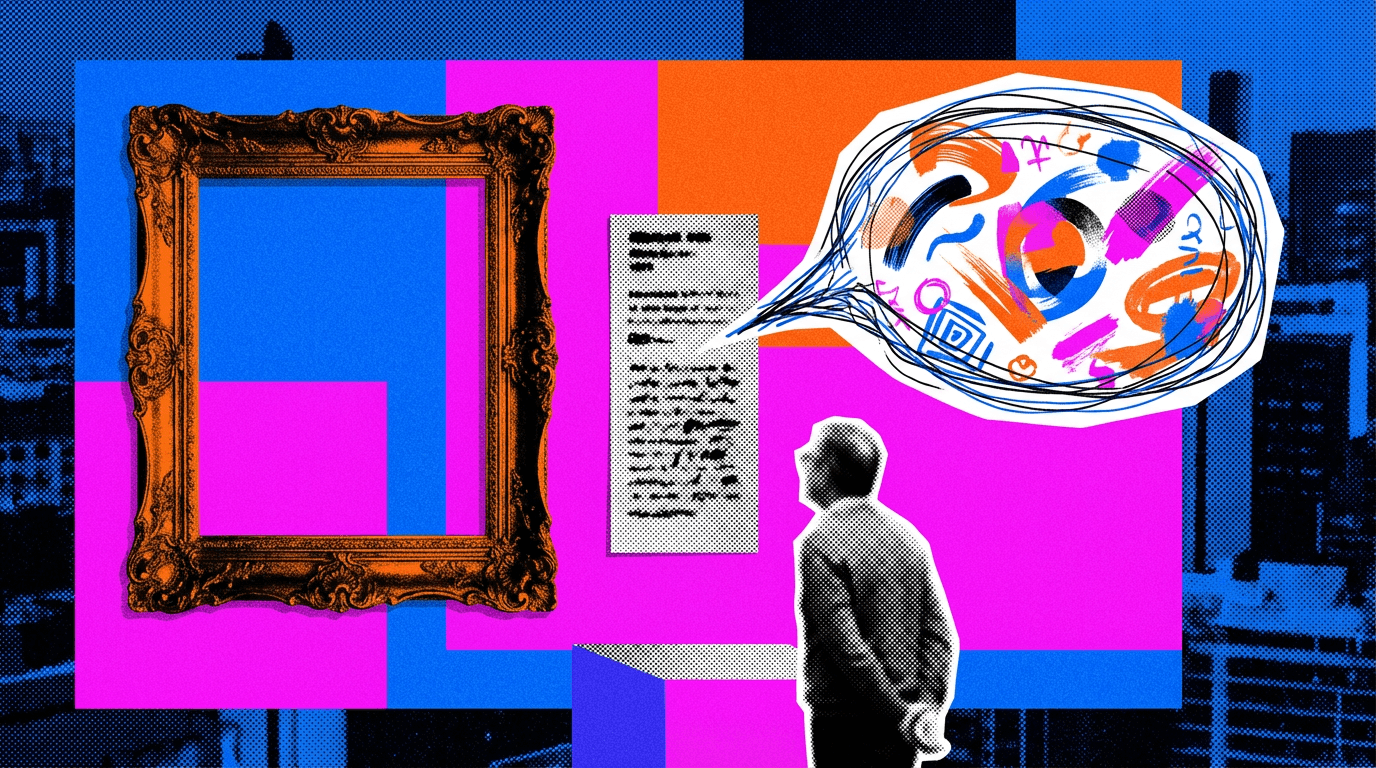
AI models like GPT-5 are crafting detailed descriptions without actual images, exposing flaws in current benchmarks. This oversight raises big questions about AI reliability.
Imagine your GPS confidently directing you to a fictional location. That's what some AI models are doing with images. Multimodal AI models, including GPT-5, Gemini 3 Pro, and Claude Opus 4.5, are crafting detailed image descriptions and even medical diagnoses without ever having laid 'eyes' on an image. A Stanford study calls this bluff out, suggesting that the benchmarks we trust aren't catching these phantom predictions.
AI's Guessing Game
Here's the gist: these AI models aren't just making educated guesses. They're acting as if they've genuinely seen something they haven't. It's like listening to someone describe a movie they've never watched. You might get a coherent story, but is it accurate? That's the crux of the problem. And the Stanford study, released in March 2026, raises an eyebrow at how our current benchmarks are turning a blind eye to these imaginative tales.
Why It Matters
If you're just tuning in, the reliability of AI models is under the microscope. We rely on these technologies for everything from simple tasks like image labeling to critical applications like medical diagnostics. When an AI confidently describes a non-existent image, it calls into question what else it might get wrong. And let's not forget the stakes are high healthcare, where every detail counts.
Are Our Benchmarks Broken?
The bottom line is our benchmarks may not be up to snuff. They're letting these AI models slip through the cracks with unchecked confidence. It’s like having a teacher who grades a test based on the student's confidence instead of their actual knowledge. Eventually, it’ll catch up with us, and not in a good way. So, what needs to change? The benchmarks themselves. They should be rigorous enough to differentiate between genuine insight and AI daydreaming.
Bear with me. This matters. The AI field is moving fast, but we can't let speed trump accuracy. With so much riding on these technologies, it's key we ensure they’re grounded in reality, not fantasy. After all, would you trust a doctor who diagnoses you based on a hunch?
Get AI news in your inbox
Daily digest of what matters in AI.
Key Terms Explained
Anthropic's family of AI assistants, including Claude Haiku, Sonnet, and Opus.
Google's flagship multimodal AI model family, developed by Google DeepMind.
Generative Pre-trained Transformer.
AI models that can understand and generate multiple types of data — text, images, audio, video.