AI Memory: The Surprising Growth of Open Source Innovations
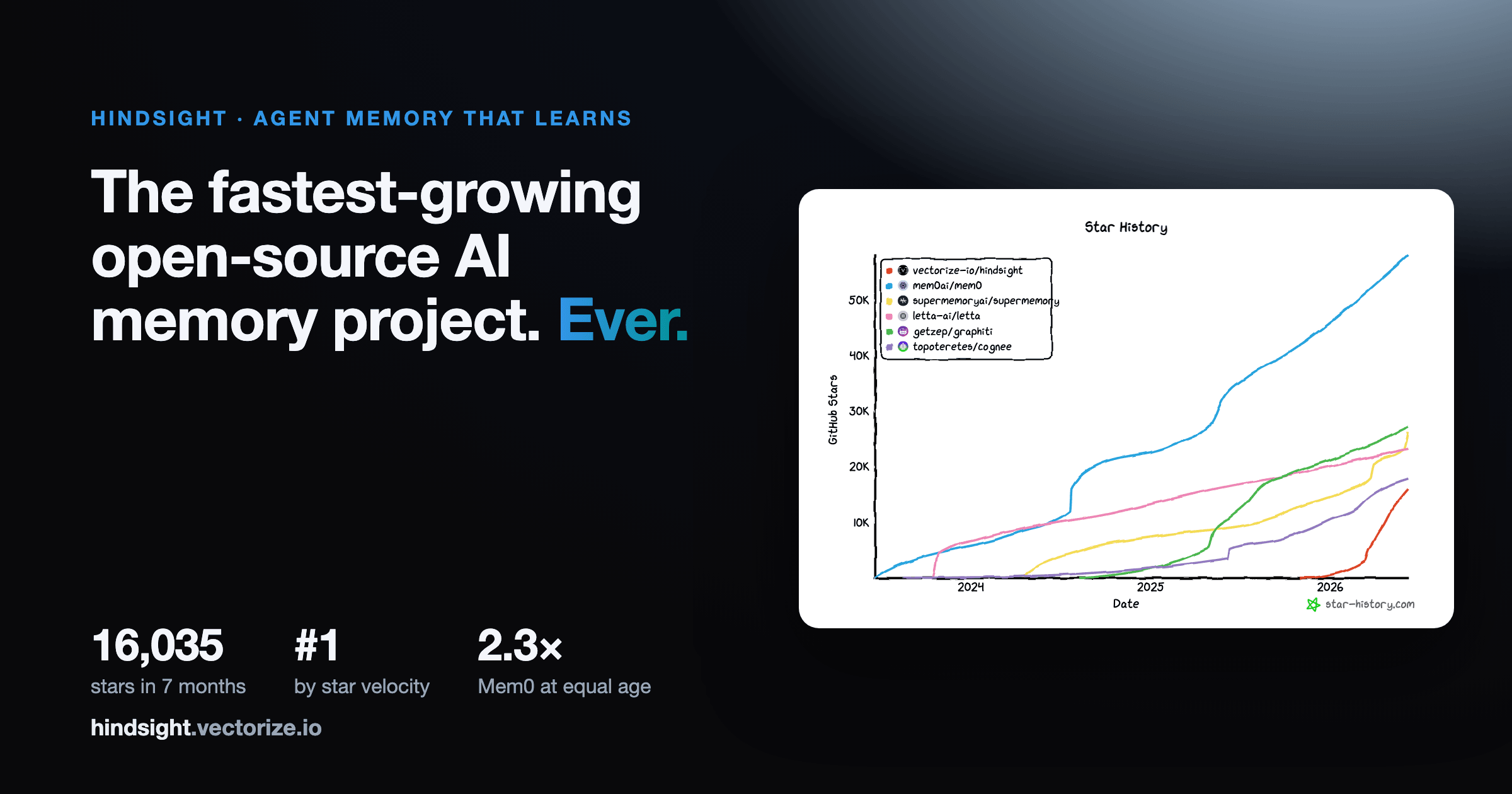
Open source AI memory solutions are expanding rapidly, challenging traditional approaches and democratizing access. The AI-AI Venn diagram is getting thicker.
The open source world is famously fertile ground for collaboration and innovation. Now, it's sparking significant developments in AI memory technologies. With a rapid growth trajectory, these solutions are shaking up the status quo and offering fresh possibilities for AI applications.
The Rise of Open Source AI Memory
Open source AI memory solutions are mushrooming at an astonishing pace. In June 2026, we've seen a notable increase in community-driven projects that aim to refine the way AI models store and access information. This isn't a partnership announcement. It's a convergence of minds driven by shared goals and boundless creativity.
One of the key drivers behind this surge is the need for more efficient data storage that can keep up with increasingly complex AI models. Traditional memory solutions often come with hefty costs and limitations, restricting access to only the most well-funded organizations. But open source efforts are leveling that playing field, enabling even small teams to experiment and innovate.
Why It Matters
As AI models grow more sophisticated, the burden on memory systems becomes more intense. Open source initiatives provide the flexibility and adaptability required to meet these escalating demands. They're not just about cutting costs. they're about fostering a collaborative environment where everyone can contribute and benefit.
Here's a question worth pondering: If agentic AI systems become the norm, how will memory infrastructure need to evolve to support their autonomous decision-making? This intersection of AI and community-based development could hold the answer.
The Path Forward
Looking ahead, the momentum behind open source AI memory solutions shows no signs of slowing. The compute layer needs a payment rail, and these projects could serve as the plumbing that supports future breakthroughs in AI. By democratizing access and spurring innovation, they're setting the stage for a new era of AI capabilities.
Ultimately, these developments underscore a vital shift in the AI industry. It's not just about who holds the keys to the most advanced technology, but about who can participate in its evolution. Open source isn't merely a trend. it's a fundamental shift that could redefine the competitive landscape.
Get AI news in your inbox
Daily digest of what matters in AI.
Key Terms Explained
Agentic AI refers to AI systems that can autonomously plan, execute multi-step tasks, use tools, and make decisions with minimal human oversight.
The processing power needed to train and run AI models.
AI models whose weights, code, and sometimes training data are publicly released for anyone to use, modify, and build upon.