AI Layoffs: Short-Term Pain, Long-Term Gain?
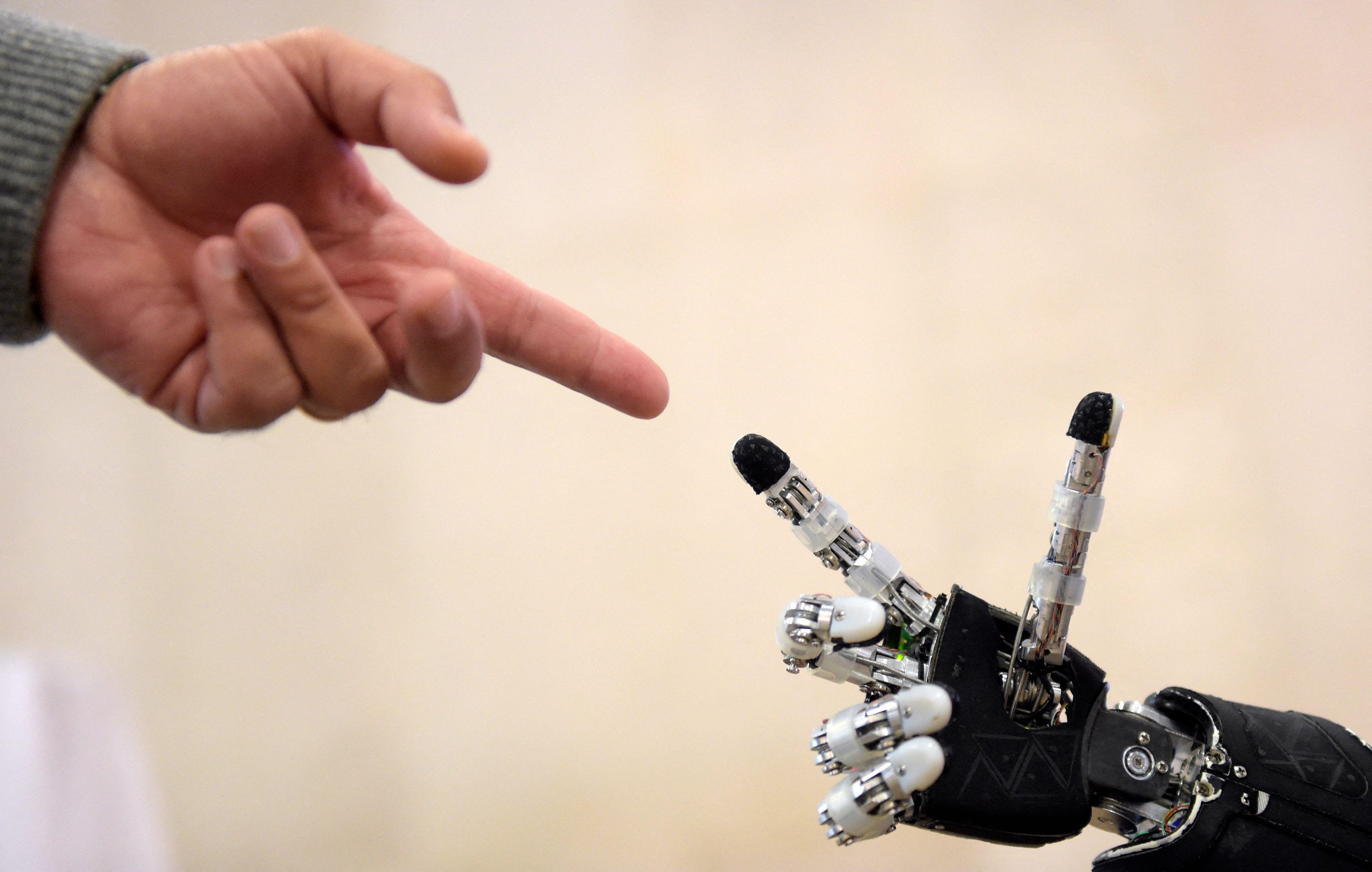
Despite AI-triggered layoffs, history indicates a future of job growth. But how should businesses and employees navigate this transition?
The rise of artificial intelligence has sparked a new wave of layoffs across industries. Yet, historical trends suggest this might just be the beginning of a longer journey towards overall job growth. While job cuts are grabbing headlines now, it's essential to look beyond the immediate impact and consider what this means for the workforce of tomorrow.
AI's Immediate Impact
AI adoption is often blamed for recent layoffs. The narrative is simple: as machines take over tasks, human roles diminish. But is that the full story? Enterprises aren't just adopting AI to cut costs. They're seeking outcomes that drive efficiency and innovation. The gap between pilot and production is where most fail, yet successful deployments could make possible new opportunities for workforce redeployment and upskilling.
In practice, AI's implementation often requires a shift in workforce dynamics. Workers need to be reskilled to handle AI systems or move into new roles that AI can't fulfill. The real cost isn't just in severance packages, but in training and transition strategies for employees left in its wake.
Looking to the Past
History has shown that technological advancements initially disrupt but eventually lead to new job creation. Consider the industrial revolution. While it displaced many manual labor jobs, it also led to an array of new opportunities in manufacturing and beyond. The digital transformation, despite its corporate slide decks, isn't just about replacing human effort with machines. It's about transforming how work gets done and creating new roles we haven't even imagined yet.
As AI continues to evolve, enterprises must focus not just on layoffs, but on the long-term transformation of their workforces. The consulting deck might scream 'transformation', but the P&L says different. The ROI case requires specifics, not slogans. Are companies truly prepared to invest in the change management needed to realize AI's full potential?
The Path Forward
So, what should businesses and workers do? Enterprises need to invest in strategic workforce planning and continuous learning programs. The adoption curve for AI doesn't have to be a slope of despair. It can be a slope of opportunity if managed correctly. Workers, on the other hand, should seek to continuously upgrade their skills, focusing on areas that AI can't easily replicate. Creativity, complex problem-solving, and emotional intelligence are just a few areas where humans still have the upper hand.
The question isn't whether AI will cause job losses. That's already happening. The real question is: Will businesses and employees seize the opportunity to create a more innovative and resilient future for work? The stakes are high, but so is the potential reward. Enterprises don't buy AI. They buy outcomes. And those outcomes depend on how we navigate these changes.
Get AI news in your inbox
Daily digest of what matters in AI.
Key Terms Explained
The science of creating machines that can perform tasks requiring human-like intelligence — reasoning, learning, perception, language understanding, and decision-making.
The process of teaching an AI model by exposing it to data and adjusting its parameters to minimize errors.