AI Labs' Selective Access: The New Cybersecurity Frontier
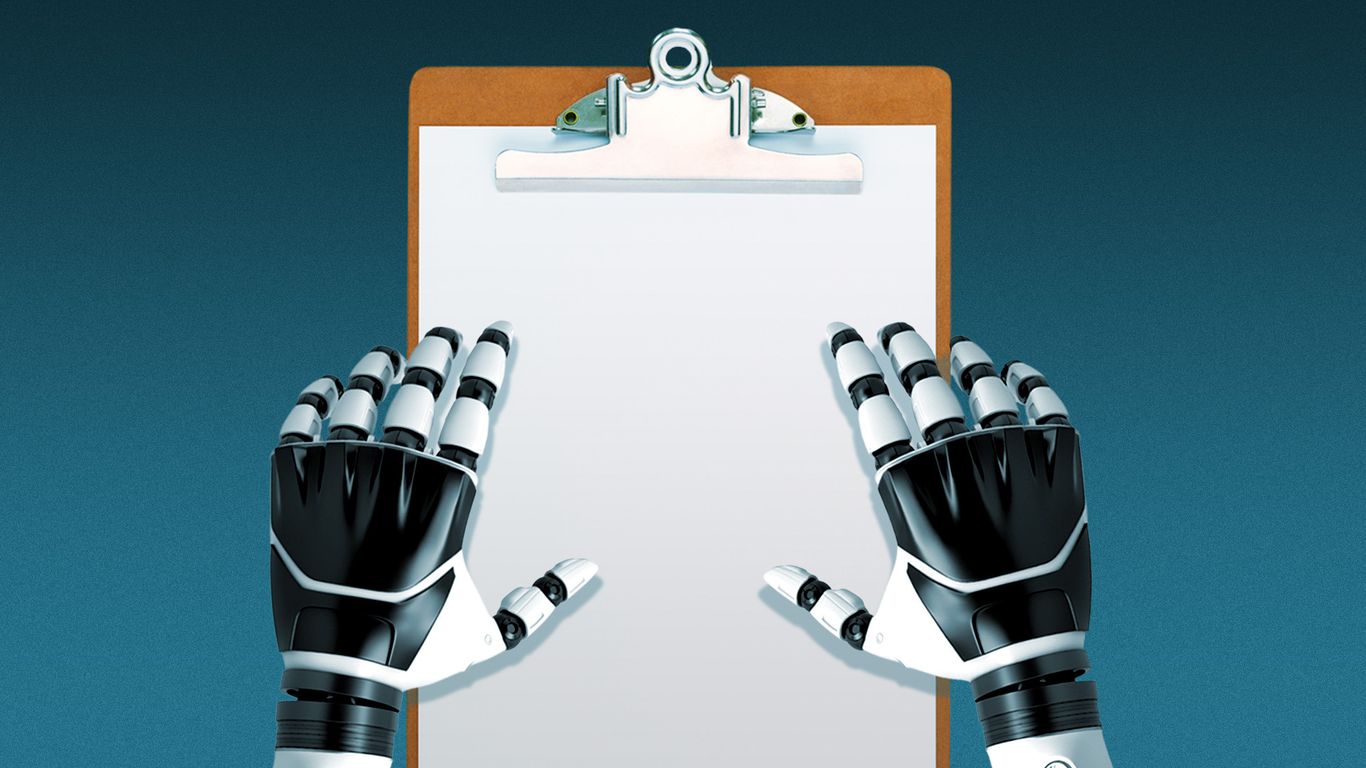
AI giants OpenAI and Anthropic are redefining cybersecurity access. By controlling who gets the keys to their advanced models, they're shaping a new power dynamic in the industry.
AI labs like OpenAI and Anthropic are pushing the envelope in cybersecurity with a bold strategy: selective access. They're deciding who gets the keys to their most advanced cyber-capable models, creating new power centers in the process.
The Power Shift
Historically, cybersecurity prowess hinged on talent, data, and infrastructure. Now, it's access to sophisticated AI models that makes the difference. OpenAI's trusted-access program and Anthropic's upcoming initiatives are setting the stage.
Anthropic recently announced that a version of its Mythos class models, namely Fable 5, will be open to the public. This model includes safeguards that reroute high-risk cybersecurity and biology requests to a different model, Claude Opus 4.8. The shift illustrates a cautious approach to keep potentially dangerous tech in check.
Behind Closed Doors
Anthropic's cautious rollout isn't just a tech story. It's a narrative of control. Who gets access to Mythos 5 and future models? The company hasn't committed to a timeline for a formal trusted-access program, but the backstage lobbying is intense. Over the past two months, organizations have scrambled for spots in Anthropic's Mythos Preview program, with access recently expanded to over 150 companies and governments.
OpenAI already employs a similar model. By vetting security researchers, it's controlling who can use its GPT-5.5 model variants with relaxed guardrails, allowing for more intricate cybersecurity tasks like bug hunting and malware analysis.
The Stakes
Why care about this selective access trend? Because it reshapes the cybersecurity landscape. AI labs now control who can access the industry's most advanced tools. It's a new layer of influence for these companies, which could create a divide between organizations that have access and those left out in the cold.
Selective access gives Anthropic and OpenAI both control and profit potential. They ensure these potent models don't fall into the wrong hands while monetizing them effectively. As they eye public markets, this dual benefit can't be overlooked.
What's Next?
Will trusted-access users uncover vulnerabilities or create products that competitors can't match? That's the question. As these programs evolve, the true test will be whether they can truly safeguard cybersecurity while fostering innovation.
This selective access approach isn't just a technical shift. It's a power play. As AI labs hold the keys, the direction of cybersecurity increasingly lies in their hands. Will they balance innovation with safety effectively? Only time and their strategic choices will tell.
Get AI news in your inbox
Daily digest of what matters in AI.
Key Terms Explained
An AI safety company founded in 2021 by former OpenAI researchers, including Dario and Daniela Amodei.
Anthropic's family of AI assistants, including Claude Haiku, Sonnet, and Opus.
Generative Pre-trained Transformer.
Safety measures built into AI systems to prevent harmful, inappropriate, or off-topic outputs.