AI Joint Ventures: A Strategy for Real Enterprise Adoption?
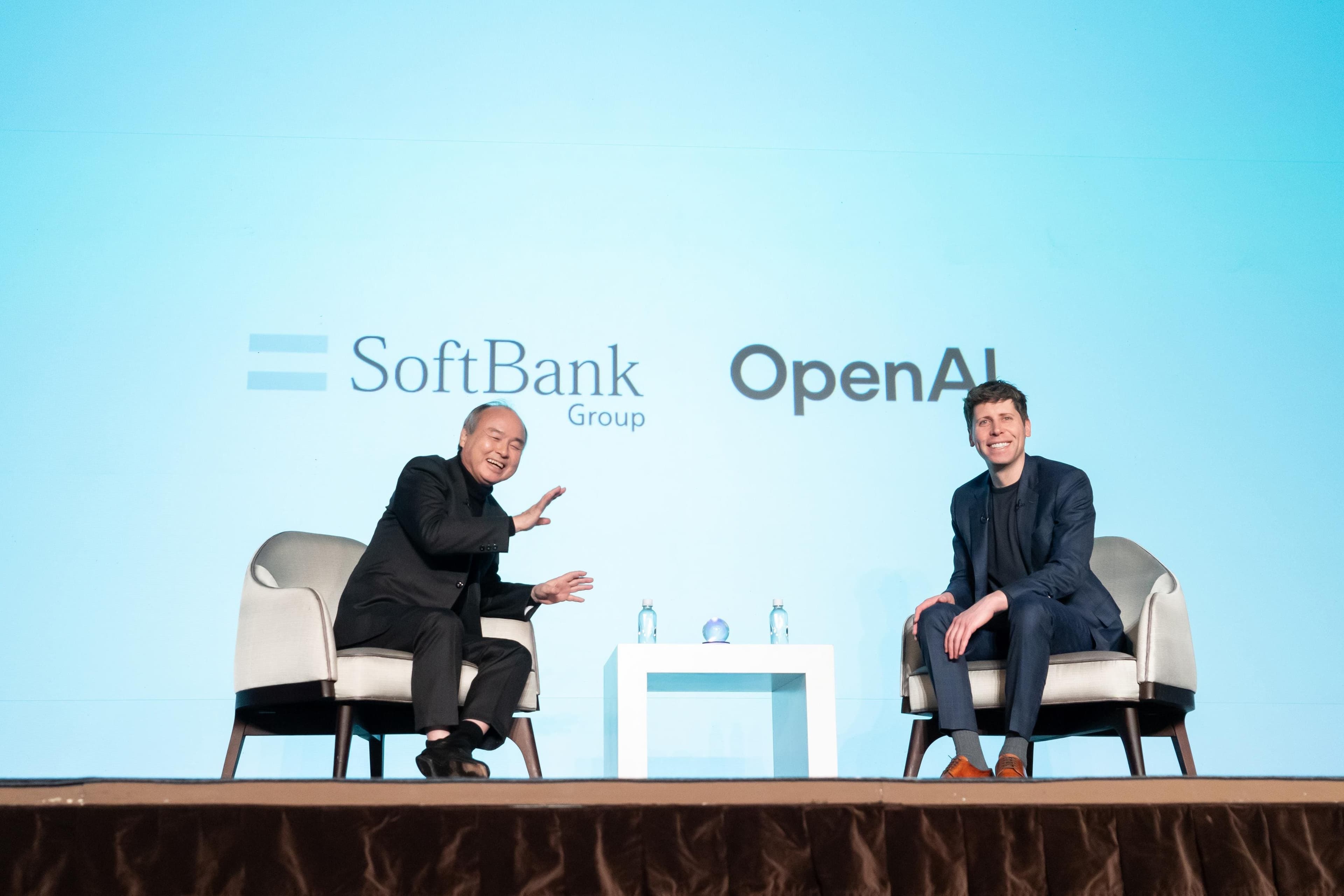
Major companies are in talks with private equity to form AI joint ventures. But is this a sign of true enterprise adoption or just another corporate maneuver?
The race to integrate artificial intelligence into enterprise operations is heating up as two key players engage in advanced discussions with private equity firms. The goal is to establish joint ventures that will embed AI into company operations. But what's at stake here's more than just flashy partnerships.
Why Joint Ventures?
In practice, AI's integration into large-scale operations isn't just about writing code. It's about changing the way businesses operate fundamentally. These companies are looking to create joint ventures because they understand something key: the gap between pilot programs and full-scale production is where most AI projects stumble. The consulting deck says transformation, but the P&L often tells a different story.
By forming joint ventures, these firms aim to bridge that gap, bringing the necessary capital and expertise to scale AI solutions effectively. This isn't simply about showcasing innovation. It's about delivering real business outcomes that enterprises need and expect. After all, enterprises don't buy AI. They buy outcomes.
Enterprise AI: More Than Hype?
So, why should this matter to the average business leader? Because these partnerships could be the key to cracking the code on AI adoption in enterprise environments. The ROI case requires specifics, not slogans. Are these joint ventures genuinely going to move the needle on AI integration, or is this just another corporate maneuver that looks good on paper but fails in execution?
The real cost of AI isn't just in its initial implementation. It's in the ongoing change management and workflow integration that determine success. These partnerships must address these challenges head-on if they're to be more than just a blip on the adoption curve.
The Road Ahead
As these discussions develop, the focus should be on tangible results. What's the timeline for moving from talks to tangible outcomes? How will these ventures handle the complexities of integrating AI into existing workflows? The answers will reveal whether this strategy is truly innovative or merely a repackaging of existing business practices.
Ultimately, the success of these joint ventures will be measured not by their formation but by their ability to drive meaningful change in enterprise operations. It's a high-stakes game, and who comes out on top. But one thing's for sure, the enterprises that effectively harness AI through these collaborations could redefine their industries.
Get AI news in your inbox
Daily digest of what matters in AI.