AI Job Loss: The Reality Beyond the Headlines
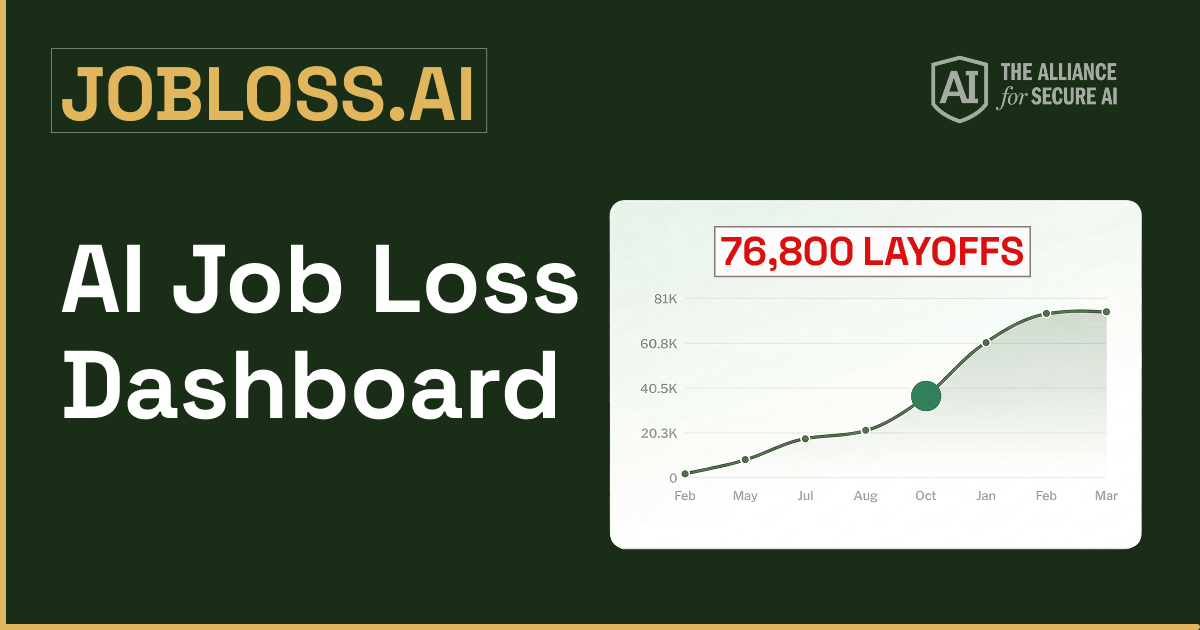
As AI technology advances, job loss is a growing concern. But what's the real story behind the numbers?
AI is a buzzword that promises transformation, but for many workers, it's a looming threat. The press release said AI transformation. The employee survey said otherwise. AI's potential to automate jobs is causing unease, especially where tasks are repetitive and predictable.
Understanding the Numbers
By 2025, experts like those at the World Economic Forum predict AI could displace 85 million jobs globally. Yet, it's also projected to create 97 million new roles. Sounds like a win, right? Not so fast. The gap between the keynote and the cubicle is enormous. Jobs that AI creates often require skills that displaced workers don't have. Upskilling isn't a buzzword, it's a necessity.
Who's Really Feeling the Heat?
I talked to the people who actually use these tools. One thing's clear: Workers in sectors like manufacturing and retail face the highest risks. The internal Slack channel really looks like a battleground of uncertainty. Management bought the licenses. Nobody told the team how to use them effectively. So, how does a company bridge this gap?
Here's where companies must step up. Workforce planning can't be about buzzwords and shiny tools. It's about real strategies for change management. If businesses want to maintain morale and productivity, they need to ensure proper reskilling and support for their employees. This isn't just about saving jobs. it's about saving talent.
So, what's the real takeaway here? AI is inevitable, but its impact on jobs depends on how companies and policymakers respond. Are businesses ready to invest in their people as much as their technology? That's the question that will define the next decade.
Get AI news in your inbox
Daily digest of what matters in AI.