AI Investment Focus Shifts to Data Centers: A Strategic Pivot
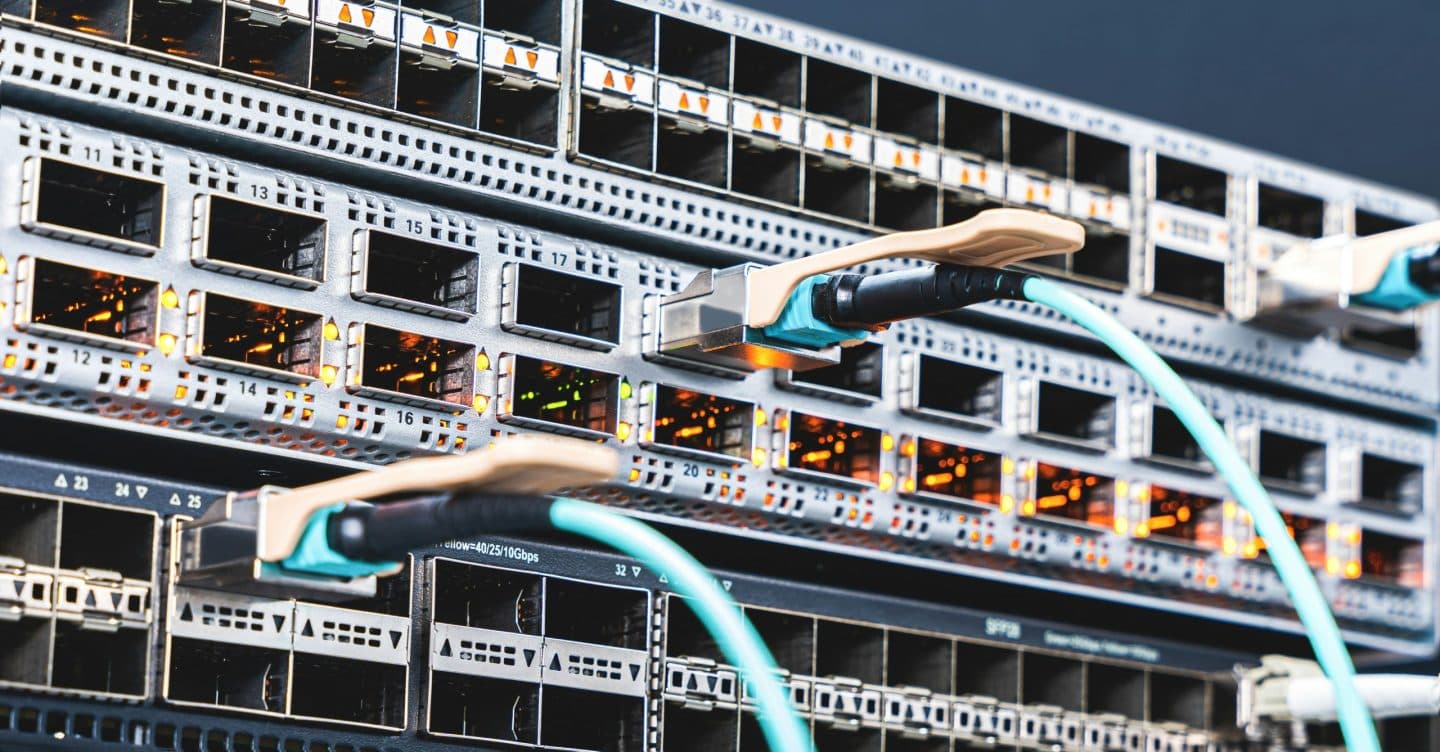
AI investment is increasingly focusing on data centers as infrastructure becomes essential. With 30% of data capacity expected for AI workloads soon, the industry adapts.
Artificial intelligence investments are entering a more strategic phase, focusing on the essential data center infrastructure required to power AI systems. What the English-language press missed: It's not just about the algorithms anymore. The infrastructure behind them is now center stage.
Infrastructure Takes the Lead
Goldman Sachs' recent analysis points to a 'flight to quality' in AI investments. Investors now prioritize companies with substantial data center operations and computing infrastructure. In simpler terms, firms offering niche AI tools or experimental software are falling out of favor.
As AI models grow more complex, the need for strong infrastructure to train and deploy them becomes critical. The data shows hyperscale cloud firms are investing tens of billions of dollars yearly in data centers and computing hardware. This shift isn't just happening in Silicon Valley, it's a global phenomenon.
Rising Demand Reshapes Data Centers
Goldman Sachs Research estimates AI workloads could consume about 30% of total data center capacity in the next two years. Compare these numbers side by side with traditional cloud workloads. The difference is stark. AI tasks require thousands of chips running concurrently, demanding significant computing power.
Infrastructure demand extends beyond just computing hardware. Energy supply has become a central issue. The firm predicts global data center power demand could rise by about 175% by 2030, a figure equivalent to adding another top-10 power-consuming country to the global grid. Such a surge raises critical questions for utilities and governments.
Strategic Choices in AI Infrastructure
The location and infrastructure of data centers are now key strategic decisions. Companies are building facilities in remote areas with stable energy supplies and high-capacity fiber networks. But why does this matter? Because the environmental impact can be as significant as the technological advancements themselves.
The paper, published in Japanese, reveals that cooling systems and geographic choices influence energy use and water consumption as much as the efficiency of the hardware. This insight is reshaping how technology firms plan their AI strategies. Building new models isn't enough. Ensuring the infrastructure to run these systems reliably is a challenge that often takes years to address.
In the past, companies that developed software platforms rose and fell quickly, while those that built underlying infrastructure enjoyed stable revenues. The AI sector seems to be mirroring this pattern. As energy demand and grid capacity become central considerations, investments in infrastructure aren't just prudent but necessary.
AI's future may hinge as much on power plants and cooling systems as on new algorithms. Are investors ready to adapt to this new reality?
Get AI news in your inbox
Daily digest of what matters in AI.