AI Interviews: The New Gatekeepers of the Workforce
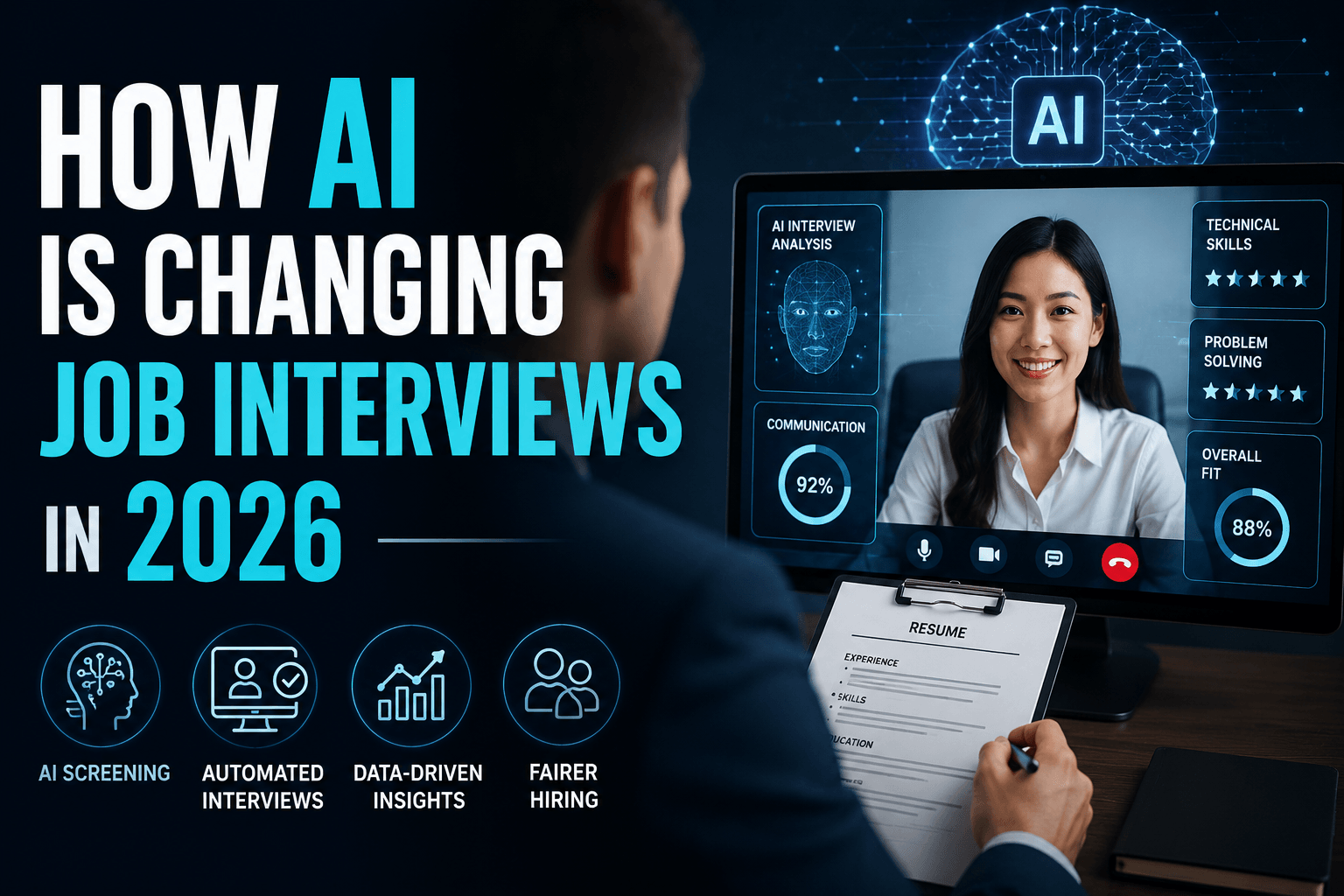
AI is reshaping job interviews, automating the process and challenging traditional hiring norms. But is this progress or peril?
It's 2026, and the job interview landscape faces a seismic shift, courtesy of AI. Gone are the days of solely human-led interviews. Now, intelligent algorithms scan resumes, conduct initial interviews, and even predict candidate success rates. This isn't just an efficiency upgrade. It's a transformation.
The Rise of AI Interviewers
Companies are now deploying AI systems to handle the early stages of recruitment. These AI interviewers analyze facial expressions, tone, and word choice to assess candidates. The goal? To make preliminary judgments that traditionally took multiple people hours to conclude. While this might sound like a futuristic dream, it's already a reality. AI's predictive capabilities are becoming more accurate, boasting a 70% success rate in predicting candidate fit for specific roles.
But can algorithms truly grasp the nuances of human potential? That's the question on everyone's minds. While AI can process data faster than any human, it still struggles with the subtleties of human interaction, like empathy and cultural fit.
Efficiency vs. Human Touch
The AI-AI Venn diagram is getting thicker. Companies like IBM and Google are investing heavily in AI to simplify hiring processes. The benefits are clear: speed, cost-effectiveness, and bias reduction. Yet, there's a growing concern about the loss of human interaction. Is efficiency worth the trade-off of gut feeling and instinct?
Supporters argue that AI reduces discriminatory biases that human interviewers might unconsciously harbor. However, critics warn that AI can inherit biases from the data it learns from, potentially perpetuating the problem it's designed to solve.
What's at Stake?
The convergence of AI with recruitment raises critical questions about accountability and transparency. If an AI decides a candidate's fate, who answers for its mistakes? If agents have wallets, who holds the keys? These aren't just theoretical queries. They're pressing concerns that need addressing before AI interviews become ubiquitous.
Ultimately, while AI can enhance the recruitment process, it's clear that a balance needs to be struck. AI is a tool, not a replacement for human judgment. As we build the financial plumbing for machines, the human element remains vital to ensure fair and ethical hiring practices.
Get AI news in your inbox
Daily digest of what matters in AI.