AI Inference Chips: A National Security Conundrum
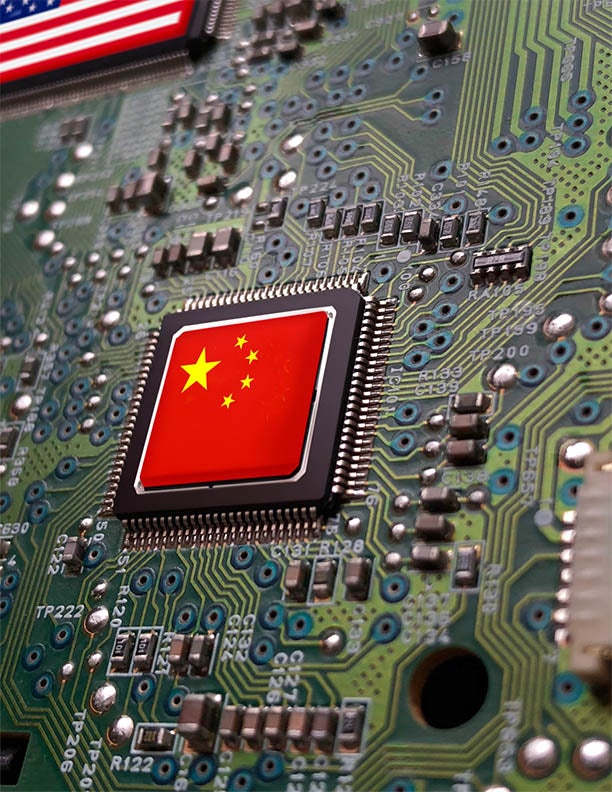
AI inference is pushing the demand for computing power, prompting questions about U.S. export rules and national security. Experts suggest restricting certain chips to curb China's AI capabilities.
AI is hungry. Hungry for computing power, and it's not just about training those massive models anymore. AI inference, where models actually start making decisions, is driving demand through the roof. The U.S. is now in a dilemma, torn between advancing tech prowess and safeguarding national security. It's a high-stakes game of chess on the global stage.
The Chip Challenge
Jacob Feldgoise, a senior data research analyst, has his finger on the pulse of this issue. He warns that specific chips designed for inference could be a double-edged sword. They're not just tools for progress but potential vectors for geopolitical tension. If China deploys these models across its economy, the ripple effects could be seismic. Feldgoise suggests it might be time for the U.S. to slam the brakes on exporting these particular chips. But is it that simple?
The real story is whether restricting chip exports can effectively limit another country's AI capabilities. China isn't exactly running low on resources to innovate locally. So, what's the risk here? The gap between the keynote and the cubicle is enormous. While experts debate policy, engineers are left to wonder how this changes their workflow.
The National Security Angle
Here's where it gets interesting. The U.S. sees China's AI ambitions as a national security issue. If China's economy-wide deployment becomes unstoppable, it could tilt the global power balance. But does restricting chips really keep the genie in the bottle? That's the million-dollar question.
Feldgoise points out a key angle: even if these inference chips aren't the best for training, they're optimized for deployment. This makes them uniquely powerful in the hands of a state with expansive AI agendas. The press release said AI transformation. The employee survey said otherwise. Internally, companies struggle to align on how policy impacts actual tech deployment.
What's Next?
So where does this leave us? The U.S. needs to decide how to handle this tech paradox. Do we prioritize economic collaboration or play defense on the digital frontier? The clock is ticking, and companies need clarity. Management bought the licenses. Nobody told the team. It all comes back to whether restricting these chips will work or if it's just a temporary patch on a much larger issue.
One thing's for sure, this isn't a problem that'll solve itself. We'll need more than just policy papers and export restrictions. It's time for a clear strategy that aligns innovation with national interests.
Get AI news in your inbox
Daily digest of what matters in AI.