AI in the Workplace: Redefining Jobs, Not Eliminating Them
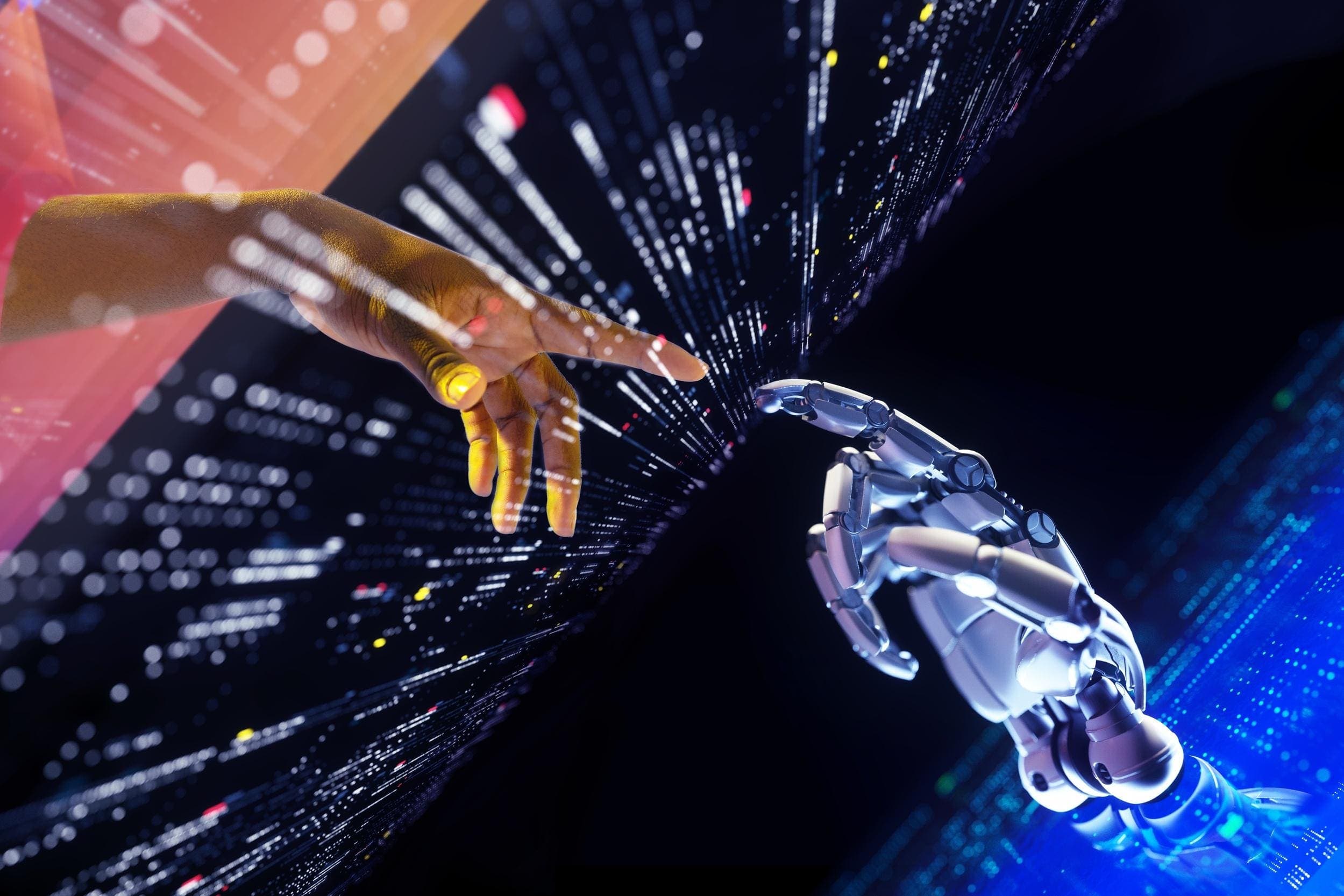
The rise of AI technology raises questions about job security, but it's not all doom and gloom. AI can complement human skills, creating new opportunities.
As artificial intelligence (AI) continues to advance at a rapid pace, concerns about its impact on jobs are becoming a focal point in enterprise discussions. Some fear a future where workplaces are devoid of humans, but is this truly the direction we're headed?
The Reality of AI Adoption
AI isn't about replacing humans. It's about augmenting them. In practice, AI excels at handling repetitive tasks, allowing employees to focus on more complex and creative endeavors. For instance, a 2022 McKinsey study found that 60% of all occupations have at least 30% of activities that could be automated. This doesn't equate to job losses. Instead, it's a call for a shift in the nature of work.
Consider manufacturing. Many feared automation would decimate jobs. Yet, it often results in using technology alongside human workers, improving efficiency and creating new roles that didn't exist before. The gap between pilot and production is where most fail, but those that succeed see real benefits.
Opportunities, Not Threats
The narrative that AI will lead to a lonely, digital workspace misses the bigger picture. Enterprises don't buy AI. They buy outcomes. This means AI is often integrated into workflows to solve specific problems, not as a blanket solution to cut costs. The consulting deck says transformation, but what does the P&L say? It typically shows an uptick in productivity and innovation.
Let's take customer service as an example. Chatbots powered by AI don't eliminate human jobs. They handle simple queries, freeing human agents to deal with complex customer interactions that require empathy and nuanced understanding. This shift can improve customer satisfaction and open up new avenues for career growth within companies.
Embrace the Change
The fear of AI-induced job loss is understandable, but it's misguided. Rather than viewing AI as a threat, we should see it as a tool that empowers workers and enhances capabilities. The ROI case requires specifics, not slogans. Businesses that successfully integrate AI into their operations often find that it allows for more strategic decision-making and agility.
So, will AI make our workplaces a desolate, digital wasteland? Hardly. It's set to redefine, not eliminate, jobs. The challenge lies in managing the change effectively, ensuring that skills development and reskilling initiatives keep pace with technological advancements. Enterprises have a vested interest in taking the lead on this front.
, AI's role in the enterprise should be seen as complementary. It’s not about replacement, but about opening doors to new opportunities. Are we prepared to walk through them?
Get AI news in your inbox
Daily digest of what matters in AI.