AI In Military Hands: A Strategic Shift or Overreach?
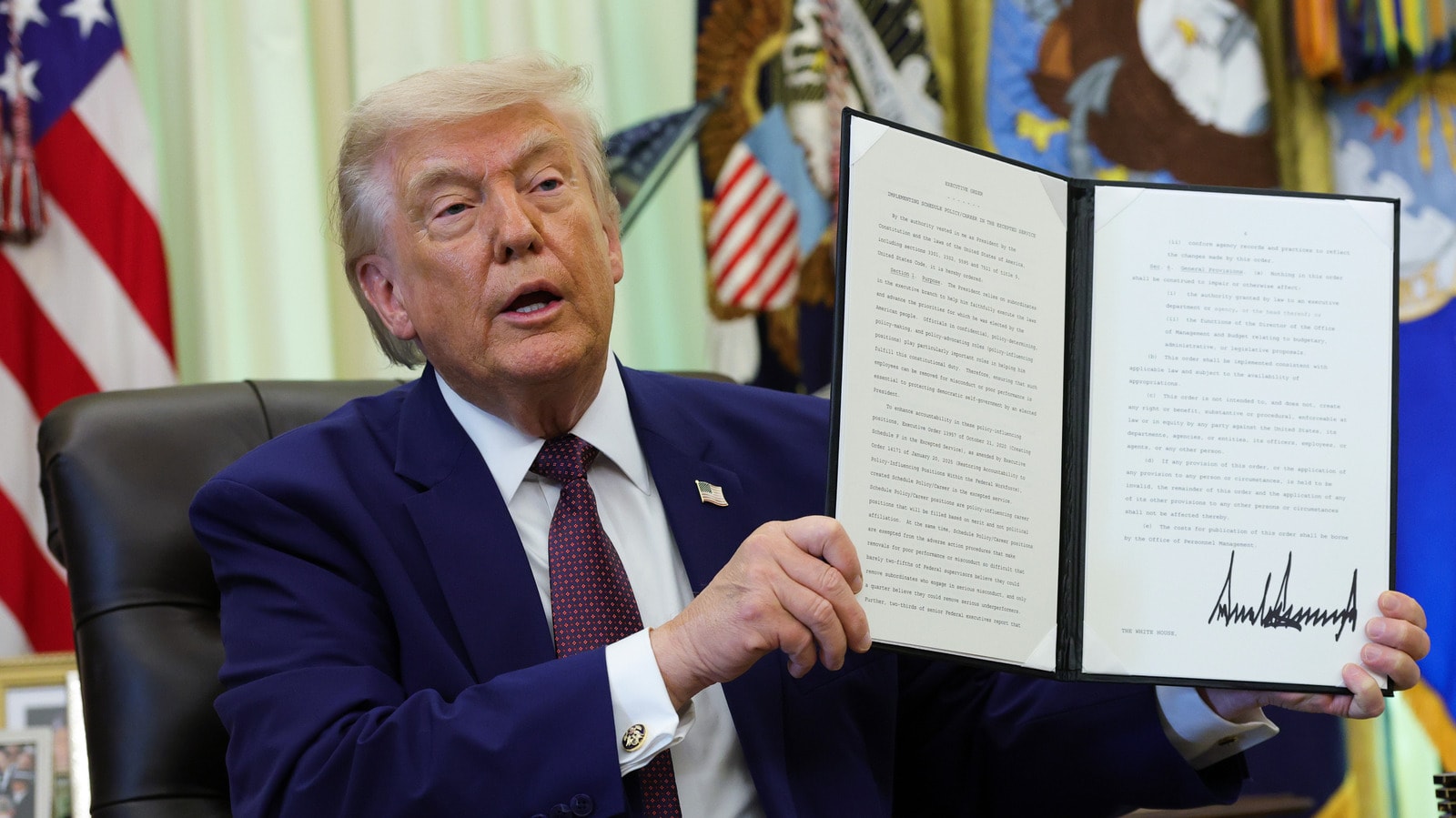
A new memo restricts AI model alterations for military use, tightening control over tech applications in defense. Is this a strategic move or an overreach?
The recent directive from the administration, preventing companies from modifying AI models used by the military without explicit permission, signals a tightening grip on technological advancements in defense.
Control Over Innovation
Color me skeptical, but this move raises the question: Who truly benefits from stifling innovation in AI applications? By imposing such restrictions, the administration effectively centralizes control, potentially stalling advancements that could otherwise emerge from a more distributed model of innovation.
While ensuring the security and effectiveness of military AI systems is undeniably key, the restriction may inadvertently slow down progress. It's no secret that innovation thrives in environments that permit experimentation and iteration. The very nature of AI, with its rapid pace of development, demands flexibility. So, does this memo hinder more than help?
Security Versus Progress
What they're not telling you: This move isn't just about keeping AI models secure. It's about maintaining control over a technology that could redefine military capabilities globally. The potential for AI to enhance defense operations is immense, but so are the risks of misuse. Yet, the question remains, does increased bureaucracy stifle the very potential it seeks to harness?
I've seen this pattern before, where well-intentioned oversight turns into a bottleneck. the military's use of AI should be cautiously monitored, but not at the expense of the technology's evolution.
The Bigger Picture
This policy reflects a broader trend of governments worldwide trying to regulate AI amidst its explosive growth. The U.S., known for its technological leadership, now faces the challenge of balancing national security with innovation. The decision to control AI model changes may offer short-term security benefits but could jeopardize long-term technological leadership.
In an era where AI is already deeply integrated into various sectors, should the military be an exception or a pioneer? The answer to this could define the future of AI development under governmental oversight. As this directive unfolds, stakeholders must consider whether this is a strategic decision that enhances national security or an overreach that stifles progress.
Get AI news in your inbox
Daily digest of what matters in AI.