AI in Housing: Efficiency and Affordability on the Horizon
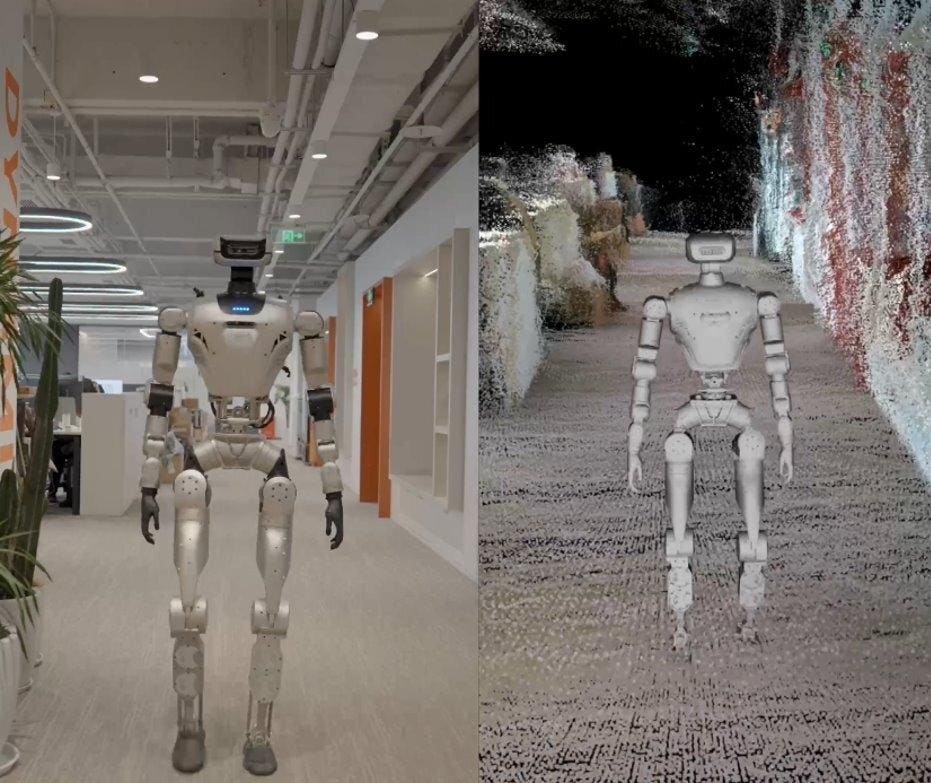
The housing industry, traditionally resistant to change, is on the brink of transformation through AI, promising efficiency and affordability.
The housing industry isn't exactly a poster child for rapid technological adoption. Yet, as we stand at the intersection of traditional practices and advanced innovation, artificial intelligence promises to shake things up. The potential of AI in housing isn't just theoretical. It's a tangible leap toward enhanced efficiency and affordability, two pillars that have long been the Achilles' heel of the sector.
The Promise of AI
AI's entry into housing heralds a new era where old habits meet new possibilities. With AI, the industry can optimize processes that have long been mired in outdated methods. Imagine a world where building materials are managed with pinpoint precision, where housing projects are completed on time and within budget. AI tools can analyze vast datasets to predict demand trends, refine supply chains, and simplify construction timelines.
Why should this matter to the everyday consumer? It's simple. Efficiency often translates into cost savings. For an industry notorious for budget overruns and delays, AI's ability to provide a clearer picture of project trajectories could mean more affordable housing options. Lower costs in building could pave the way for lower costs for buyers and renters alike.
Challenges and Opportunities
Of course, integrating AI into the housing market isn't without its challenges. The industry's slow pace of change isn't just about reluctance or tradition. There are significant barriers, including regulatory hurdles, industry fragmentation, and the capital-intensive nature of large-scale transformations. However, the real value lies in overcoming these obstacles to unlock unprecedented industry potential.
The real world is coming industry, one asset class at a time. This gradual but sure integration of AI into housing is a testament to the broader shift we're witnessing across sectors. The stablecoin moment for treasuries in finance finds its parallel in housing's AI transformation. And as these changes take root, they're sure to redefine the landscape in ways we can only begin to imagine.
Why Now?
You might wonder, why is AI gaining traction now? The answer lies in necessity meeting opportunity. The housing crisis, marked by soaring prices and inadequate supply, creates an urgent demand for innovative solutions. AI offers a toolkit that could address these systemic issues with precision and scale previously unattainable.
In a world where adaptability and innovation are key to survival, the housing industry stands at a critical junction. Embracing AI isn't just about staying competitive. It's about transforming an industry that touches every facet of our lives. As AI becomes more entrenched in housing, it's set to turn the physical into the programmable, offering a blueprint for industries still clinging to the past.
Get AI news in your inbox
Daily digest of what matters in AI.