AI Factories: The New Players in Power Grid Management
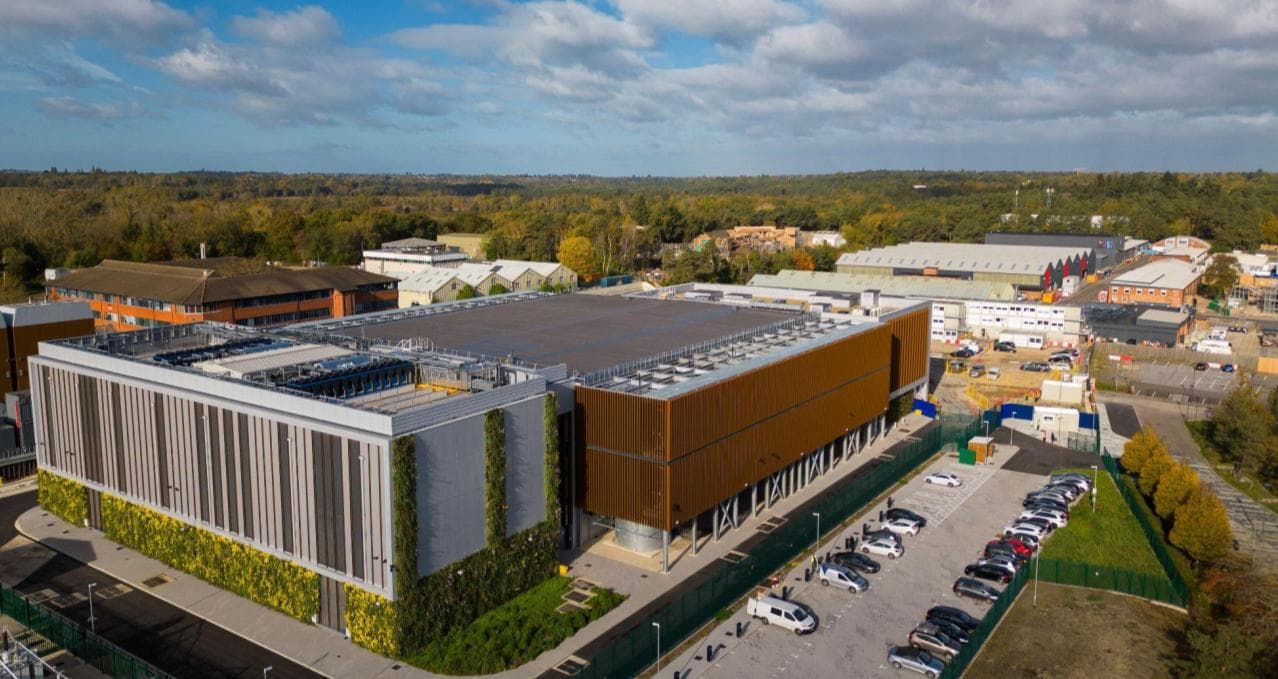
AI factories could revolutionize how power grids handle demand spikes. By adjusting their energy use during peak times, they serve as potential solutions for grid stability.
Imagine a nation glued to a football match. Suddenly, everyone gets up at halftime to make a cup of tea, and the power grid braces for impact. This scenario isn't just fiction. During the UEFA EURO 2020 match between England and Germany, the UK's National Grid faced precisely this situation, experiencing a 1-gigawatt demand spike, equivalent to a nuclear reactor's output.
The Kettle Effect
Handling such sudden surges is no small feat. Traditionally, grid operators need to ensure the system is stable, especially as new, larger power consumers emerge. But here's a twist: what if these new players could actually ease the pressure on the grid?
Emerald AI, alongside NVIDIA, EPRI, National Grid, and Nebius, proposes that 'power-flexible' AI factories can dynamically adjust their consumption during peak demand. This innovation was showcased in a recent white paper. The AI factories could connect to the grid faster, bypassing lengthy infrastructure upgrades and helping keep electricity rates steady for everyone.
AI Factories at Work
In December, the Emerald AI Conductor Platform was introduced to Nebius' new AI factory in London. Built on NVIDIA infrastructure, this project tested real-world AI workloads using 96 NVIDIA Blackwell Ultra GPUs. These GPUs, connected via NVIDIA's Quantum-X800 InfiniBand platform, allowed the AI factory to respond to simulated stress scenarios, such as those infamous 'TV pickup' events.
During these tests, the AI factory successfully reduced power usage when needed, absorbing the load without interrupting critical AI processes. The demo is impressive, but the deployment story is messier. In practice, this means the grid could handle sudden demand shifts more efficiently, avoiding costly infrastructure expansions.
The Real World Implications
Varun Sivaram, CEO of Emerald AI, highlighted how this technology transforms AI factories into helpful grid assets. They don't just consume power. they become part of the solution. Meanwhile, Steve Smith from National Grid shared optimism about the UK's potential in the AI arena. While the country may not match the scale of the U.S. in data centers, its relative strength could spur economic growth.
But let's not kid ourselves. The real test is always the edge cases. Can these AI factories consistently deliver under unpredictable conditions? That's what will determine their success in the long run.
As plans unfold for the Aurora AI Factory in Virginia, set to open later this year, one can't help but ponder: will these AI-driven solutions redefine energy management, or are they just another tech fad? Only time and rigorous testing will tell.
Get AI news in your inbox
Daily digest of what matters in AI.