AI-Driven Radios Transform U.S. Army Communications
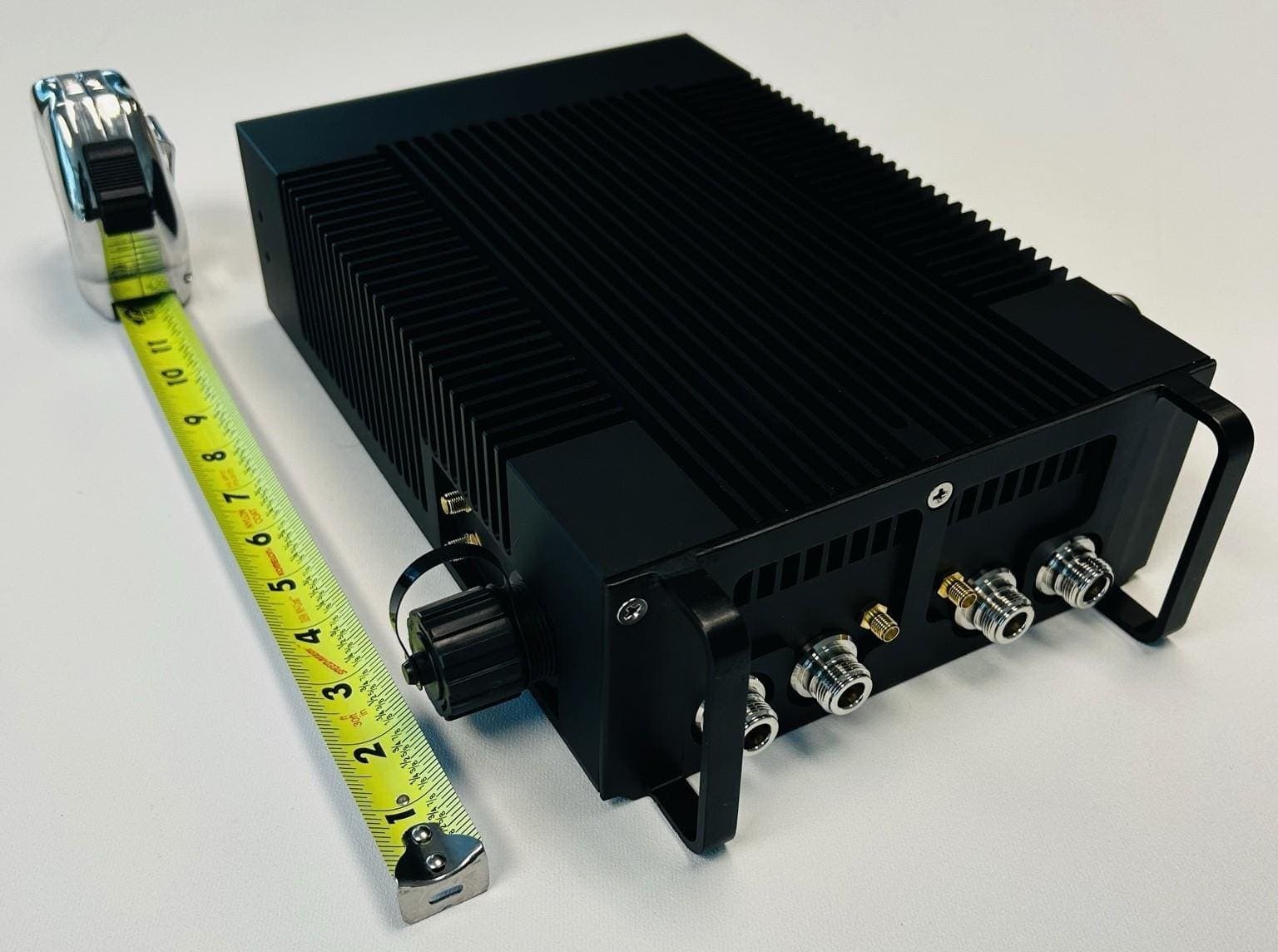
A new AI-powered device for the U.S. Army revolutionizes communication, drone operations, and counters jamming with software-defined radio.
The U.S. Army's latest tech endeavor is a radio that does more than just transmit and receive signals. Built on software-defined radio technology and powered by artificial intelligence, this device transforms battlefield communications. It's a step forward, not just in defense tech, but in how we think about military operations in the digital age.
A Multi-Tool for Modern Warfare
At its core, the AI-enabled radio offers solid capabilities that include communication, counter-jamming, and operating drones. The military's operations are no longer siloed activities, and the need for converged systems has never been greater. The AI-AI Venn diagram is getting thicker, and this device is a testament to that.
But why should civilians care about a military gadget? Beyond the obvious defense implications, the development signals a shift in how AI and communication technologies are merging to tackle complex problems. In a world where infrastructure is digital, military advancements often trickle down to civilian applications.
The Future of Military Tech
AI's role in warfare is a contentious topic, but it's here to stay. Devices like these radios aren't just innovations. they're part of a larger narrative about autonomy and agentic systems. If agents have wallets, who holds the keys? The military is essentially testing the waters for broader applications of AI in critical settings.
Some may argue that such advancements could widen the gap between military and civilian tech. However, history shows that military innovations often pave the way for commercial and consumer technologies. Satellite navigation, for example, began as a military project before GPS became a household acronym.
Convergence: The New Normal
This isn't a partnership announcement. It's a convergence of AI and radio technology, designed to enhance operational effectiveness. The compute layer needs a payment rail, and in this case, the currency is real-time data and machine learning capabilities. As the military continues to adopt AI solutions, expect these technologies to influence civilian industries in unpredictable ways.
So, what's next? If this device is any indication, the future of tech lies in its ability to interface with AI across various domains. We're building the financial plumbing for machines, and the military's new tool is just one piece of that sprawling puzzle. The implications reach far beyond the battlefield, challenging our conventional notions of what's possible.
Get AI news in your inbox
Daily digest of what matters in AI.
Key Terms Explained
The science of creating machines that can perform tasks requiring human-like intelligence — reasoning, learning, perception, language understanding, and decision-making.
The processing power needed to train and run AI models.
A branch of AI where systems learn patterns from data instead of following explicitly programmed rules.