AI Diplomacy: U.S. Navigates a Tightrope of Isolation and Collaboration
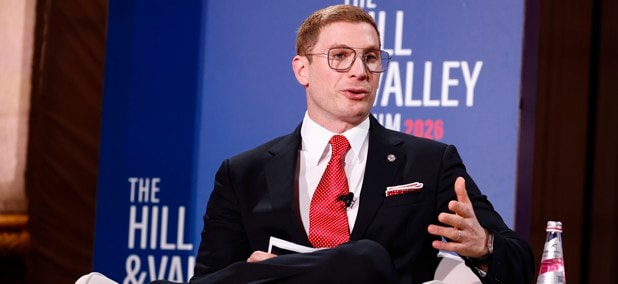
Despite a firm stance against international AI governance, the U.S. is cautiously exploring cooperation with allies on security threats. The Trump administration's 'America First' policy creates a paradox in AI diplomacy.
The Trump administration's stance on artificial intelligence policy is clear: America goes it alone. Yet, beneath the rhetoric, there's a nuanced dance with international collaboration. Despite opposing frameworks set by international bodies, the U.S. hasn't entirely shut the door on global cooperation. Especially addressing cybersecurity threats and other national security concerns.
AI Diplomacy: A Balancing Act
During a recent Atlantic Council event, Jacob Helberg, Under Secretary of State for Economic Affairs, underscored this paradox. On one hand, the administration maintains a skeptical view of supranational governance. On the other, it recognizes the necessity of working with allies to tackle issues such as deepfakes and infrastructure vulnerabilities. If the administration is so wary of international bodies, why entertain these conversations at all?
Some might argue it's because the threats cross borders, ignoring them would be foolish. The administration appears to be selectively engaging based on immediate security needs, while steering clear of broader, binding agreements that dilute its power. This approach, while pragmatic, leaves a gap in cohesive global policy, a gap adversaries like China and Russia might exploit.
'America First' Meets Global Threats
Trump's 'America First' agenda has led to a withdrawal from several international bodies, a move that extends to AI policy. The administration's AI Action Plan, released in July 2025, explicitly opposes frameworks created by international entities. The strategy instead champions U.S.-led initiatives among like-minded nations to preserve American values. Yet, this raises a critical question: As technology becomes increasingly international, can such a policy remain sustainable?
While the administration's reluctance to cede control to international bodies aligns with its broader policy ethos, it risks isolating the U.S. in a rapidly evolving tech landscape. The plan warns against burdensome regulations and codes of conduct swayed by cultural agendas from nations like China. But here's the kicker: without a seat at the table, shaping those standards becomes a Herculean task.
The Price of Isolation
Trump's recent executive order calls for voluntary cooperation from AI firms to assess security risks pre-public release. It reflects a desire to keep AI development largely under national control. Meanwhile, U.S. officials caution European allies against stringent AI regulations, arguing it could push American companies out, leaving Europe trailing in the tech race.
The real-world implication? The burden of global AI leadership rests on the U.S., yet its current trajectory might be undermining its future influence. Can the U.S. afford to be an island in AI governance when the tech's ripple effects are undeniably global? Skepticism isn't pessimism. It's due diligence. And in this arena, the burden of proof sits with the team, not the community.
Get AI news in your inbox
Daily digest of what matters in AI.