AI-Designed Vaccine Takes a Leap into Human Trials
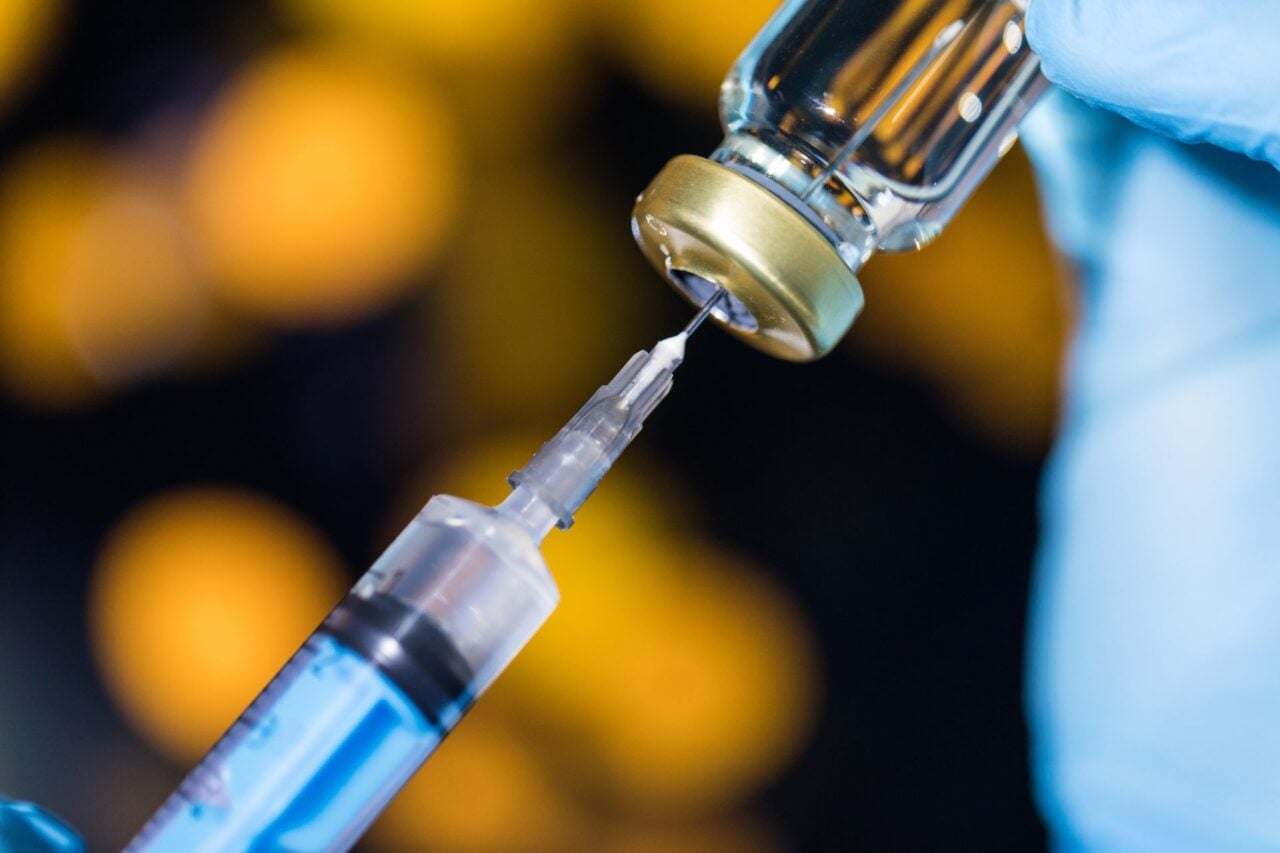
The AI-driven vaccine pEVAC-PS enters the human trial phase, marking a milestone in AI's role in medical innovation. But is this the future or just a gimmick?
The world of artificial intelligence just took a significant step forward with the introduction of pEVAC-PS, the first experimental vaccine conceived entirely by AI to reach human trials. This isn't just a footnote in the annals of AI development. It's a headline-grabbing moment that could redefine how we approach medical innovation.
AI's Role in Medical Advances
AI's impact on medicine isn't new, but pEVAC-PS represents a bold stride into uncharted territory. Traditionally vaccine development involves years, if not decades, of research and trials. But AI has the potential to speed up this process exponentially, reducing costs and time. The question isn't whether AI can aid vaccine development, but at what pace can it transform the industry?
For those unaware, pEVAC-PS is more than just a tech novelty. It's a tangible outcome of machine learning models that have crunched through mountains of biological data to design a vaccine candidate from scratch. If successful, it could lower the barriers to entry for vaccine production, making healthcare more accessible globally.
The Skeptic's View
However, let's pump the brakes before declaring victory. The intersection is real. Ninety percent of the projects aren't. While the AI-designed vaccine is promising, it still has to pass the rigorous hurdles of human trials. Slapping a model on a GPU rental isn't a convergence thesis. The efficacy and safety must hold up to scrutiny. If the AI can hold a wallet, who writes the risk model?
There's another layer to consider: if AI can design a vaccine, what's next? Will AI drive all drug development? Or will it remain an adjunct tool? The implications for the pharmaceutical industry are enormous, potentially reshaping how we think about R&D altogether.
Looking Ahead
The potential is exciting, but the real work begins now. As pEVAC-PS undergoes trials, stakeholders will be watching closely. The results will determine if AI-designed solutions can be a reliable part of the medical toolkit or if they're just a flash in the pan.
So, where do we stand? As someone who's seen both sides of AI development, I'm cautiously optimistic. Show me the inference costs. Then we'll talk. For now, the focus should be on outcomes. Will AI-designed vaccines be safer, faster, and cheaper? If yes, it's a major shift for public health. If not, it's back to the drawing board for AI in healthcare.
Get AI news in your inbox
Daily digest of what matters in AI.
Key Terms Explained
The science of creating machines that can perform tasks requiring human-like intelligence — reasoning, learning, perception, language understanding, and decision-making.
Graphics Processing Unit.
Running a trained model to make predictions on new data.
A branch of AI where systems learn patterns from data instead of following explicitly programmed rules.