AI Criticism: Unveiling the Human Cost
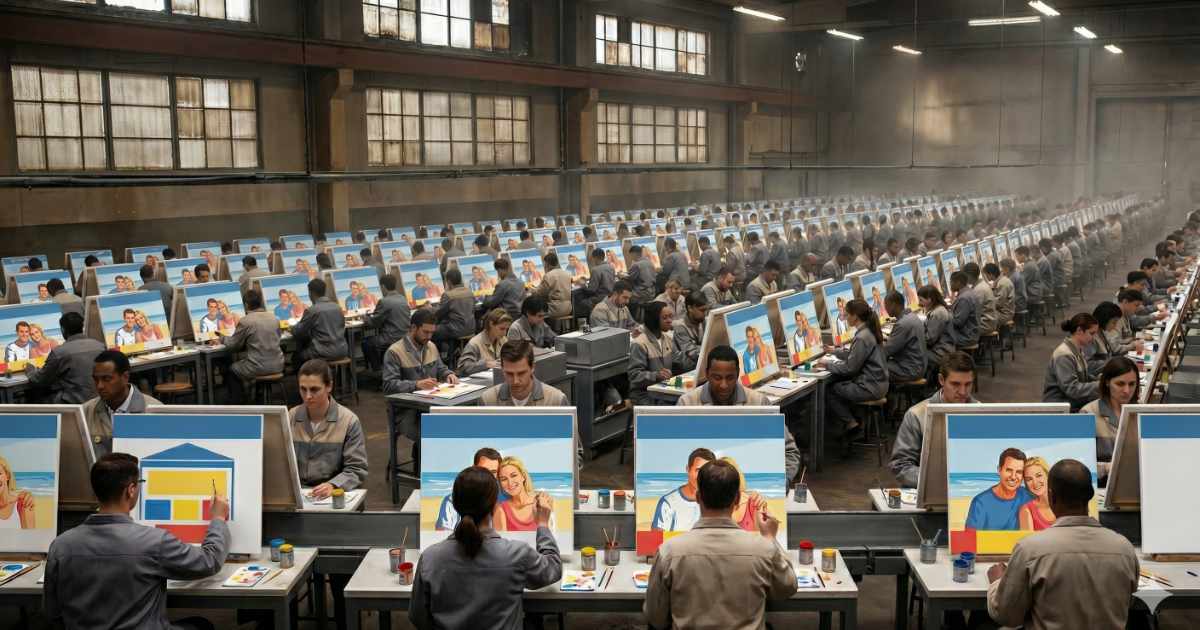
AI development isn't just about tech advancements. It's about impacts on real workers. With automation posing risks, it's time to ask who really benefits.
AI is everywhere these days, touted as the future of everything from healthcare to finance. But beneath the shiny veneer of innovation lies a pressing issue: the real-world impact on workers. While executives sing AI's praises, it's the workers at risk of displacement who should be heard. Who pays the cost when the robots show up?
The Automation Risk
Take a closer look at what AI development often means. Job displacement. Reduced wage pressure. When machines handle tasks humans once did, the productivity gains often don't translate into better paychecks. The jobs numbers tell one story, but the paychecks tell another, and it’s not a happy ending for many.
In Detroit, I've seen it firsthand. Automation in manufacturing has been a double-edged sword. Sure, it’s increased efficiency. But ask the workers, not the executives, and you'll hear about jobs lost and the struggle to find new opportunities. The human side of AI advancement often gets drowned out by the buzz of technological optimism.
Winners and Losers
AI isn't neutral. It has winners and losers. For every tech company that sees a boost in profits, there's a workforce facing a cloudy future. Retraining programs are heralded as solutions, but these often fall short of the promises made. Without reliable support, how are workers supposed to transition smoothly into new roles?
The productivity gains went somewhere. Not to wages. Instead, they padded the bottom lines of corporations already flush with cash. Is it any wonder there's growing skepticism about AI's promises? The benefits are unevenly distributed, and the very people who make industries run are left in the lurch.
Real Conversations Needed
It’s time for a serious conversation about the impacts of AI that goes beyond the boardroom. Policymakers, tech leaders, and the workers themselves need a seat at the table. We can't rely solely on market forces to balance the scales. Collective bargaining and workforce protections must evolve to meet new challenges.
Automation isn't just a technical issue. it's a societal one. It's not enough to marvel at AI's capabilities without addressing its human costs. As we forge ahead, the question remains: will we prioritize people or profits?
Get AI news in your inbox
Daily digest of what matters in AI.