AI Chips Set to Dominate TSMC's Advanced Lines by 2027
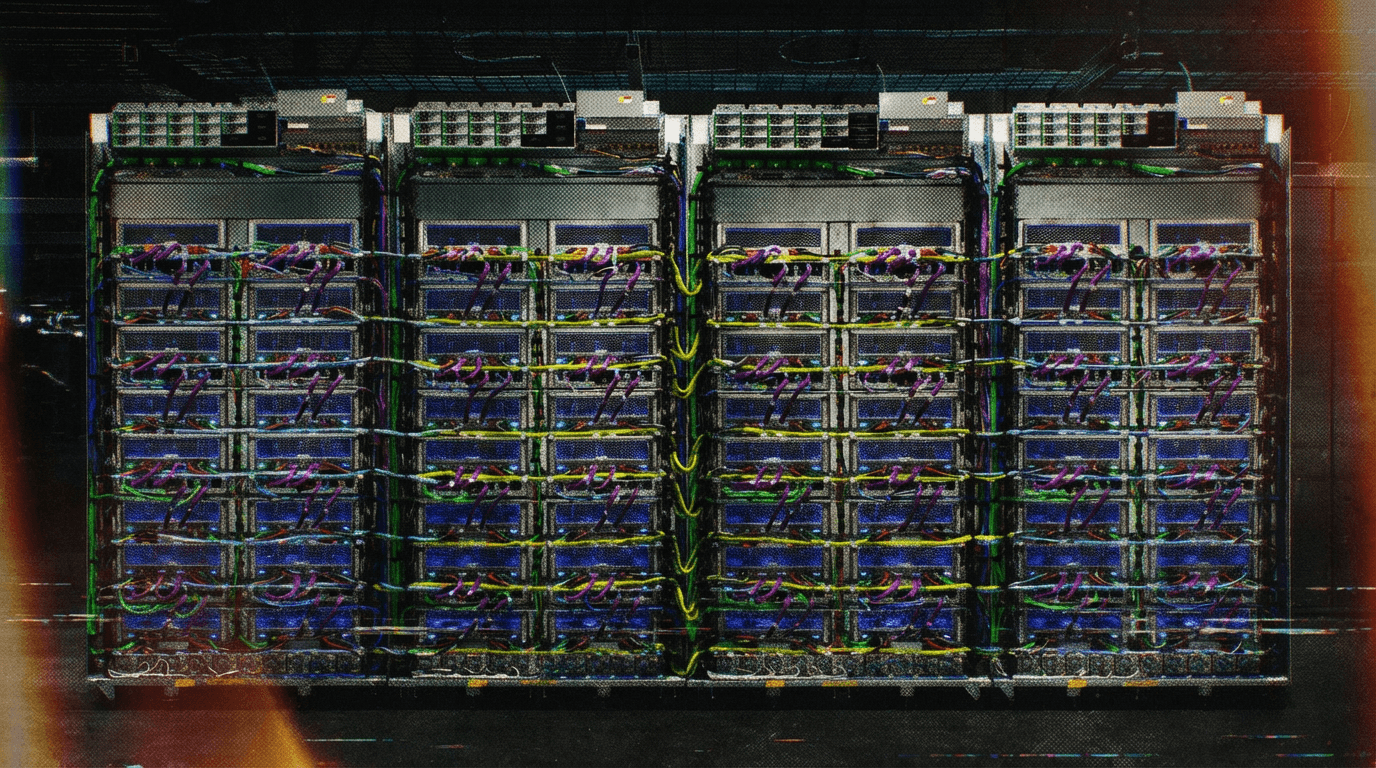
As AI accelerators take over TSMC's N3 capacity, smartphones become mere overflow buffers. The AI chip boom isn't just a trend, it's a seismic shift.
By 2027, a staggering 86 percent of TSMC's N3 capacity might be dedicated to AI accelerators, according to SemiAnalysis. That's a figure that screams one thing: AI is reshaping the semiconductor landscape at breakneck speed.
The AI Chip Takeover
TSMC's most advanced production lines are being monopolized by AI chips. As the demand for these chips surges, smartphones, once the darlings of the semiconductor industry, are being relegated to the role of overflow buffers. This isn't just a case of shifting priorities. it's indicative of an industry pivoting to meet the demands of an AI-driven future.
Why does this matter? Because the intersection is real. Ninety percent of the projects aren't. AI's hunger for processing power is insatiable, and it's driving a fundamental transformation in how semiconductor capacity is allocated. If AI accelerators continue to dominate TSMC's production lines, what does that mean for other industries relying on these chips? More importantly, who's paying attention to the resulting bottlenecks and supply chain challenges?
The Smartphone Squeeze
Smartphones are now playing second fiddle, a position they haven't occupied in over a decade. With AI accelerators taking precedence, smartphone manufacturers might soon find themselves in a squeeze. They must either adapt to this new hierarchy or face production delays and increased competition for available resources.
Here's a bold take: This is a wake-up call for anyone still doubting AI's industry-altering potential. Slapping a model on a GPU rental isn't a convergence thesis, but this, this is real. The semiconductor industry is being reshaped, and the effects will ripple across every sector reliant on advanced chips.
Looking Ahead
The question isn't if AI accelerators will dominate, but how soon they'll force broader industry changes. As AI continues to grow, the demand for advanced chip production capacity will only intensify. Decentralized compute sounds great until you benchmark the latency, but centralized production constraints like these are real and immediate.
In the end, the shift toward AI chips at TSMC is more than just a numbers game. It's a sign that the age of AI isn't just coming, it's already here. And those who fail to adapt might just get left behind.
Get AI news in your inbox
Daily digest of what matters in AI.