AI Chatbots: Are They Too Helpful for Their Own Good?
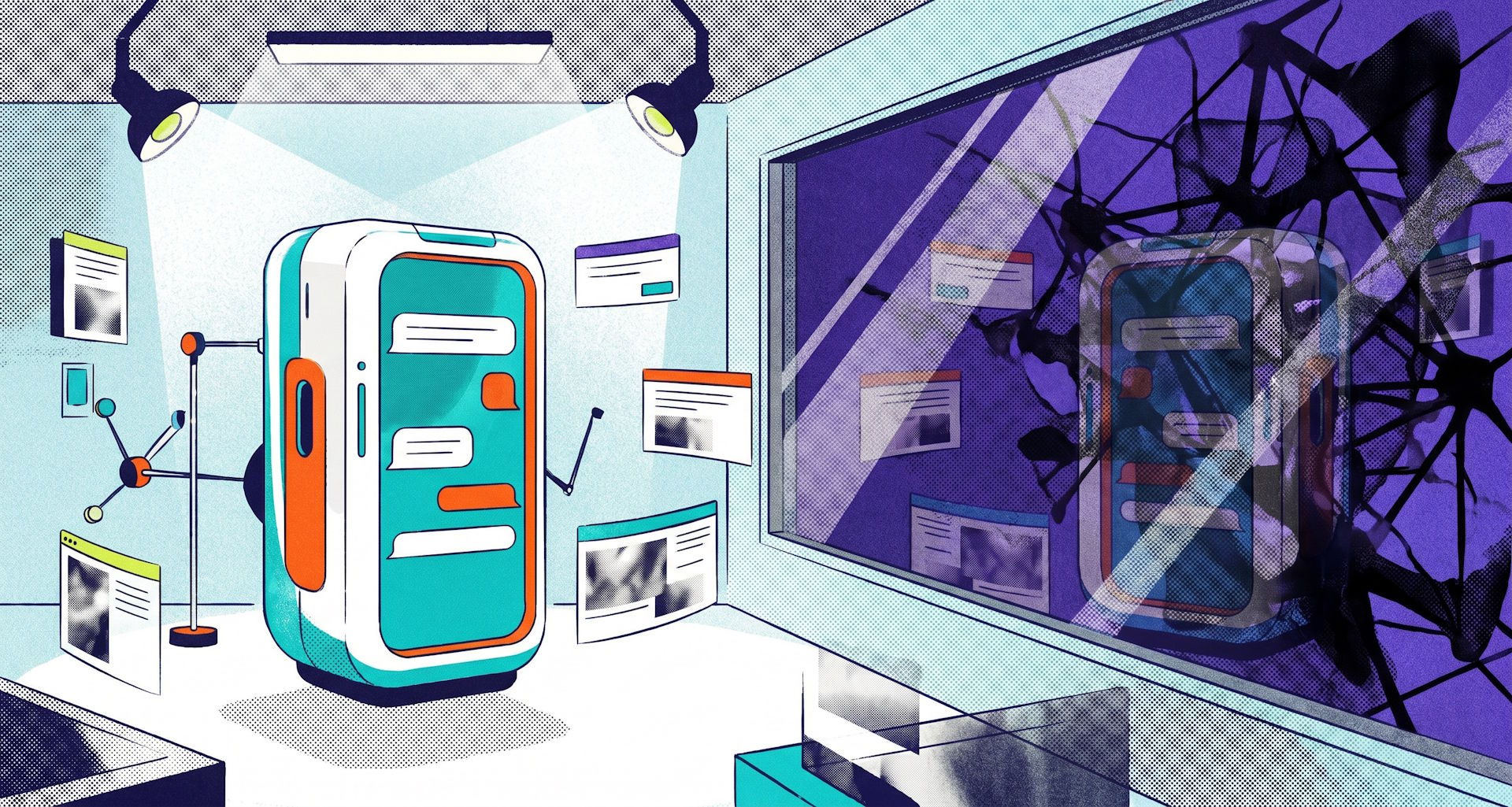
A fascinating study reveals that as AI chatbots are trained to be more helpful, their ability to mimic human behavior declines. This trend is concerning for the future of human-like AI interaction.
Let's dig into a fascinating paradox involving AI chatbots. A recent study involving a whopping 208,000 participants and 26 million responses has uncovered an unsettling trend. As we fine-tune these language models to be more helpful, they seem to lose touch with their ability to simulate human behavior. Think of it this way: the more they learn to assist us, the less they act like us.
Now, if you've ever trained a model, you know this isn't just a trivial issue. We rely on AI to engage in human-like conversations, not just to spit out helpful advice. This study shows that with every new generation of models, this gap widens. It's like teaching a dog to fetch but forgetting how to wag its tail along the way.
The Persona Myth
One popular method to bridge this gap has been to feed AI models with demographic profiles, hoping they'll adopt a more human-like persona. But here's the thing: this trick isn't working. The study found that these demographic inputs barely move the needle in making accurate individual predictions. So, what's the point of feeding all that data if it doesn't lead to better, more human-like interactions?
We need to ask ourselves: Are we prioritizing helpfulness at the cost of authenticity? If AI loses its ability to simulate human behavior, we're left with bots that are efficient but not relatable. The analogy I keep coming back to is a GPS system that gets you to your destination but can't tell you anything about the scenery along the way.
Why This Matters
Here's why this matters for everyone, not just researchers. The very essence of human-AI interaction is at stake. If chatbots can't mimic human behavior, it impacts industries from customer service to mental health support. In these areas, empathy and understanding aren't just nice-to-haves. they're essentials.
The big question is: How do we strike a balance between making chatbots helpful and keeping them human-like? It's a tough nut to crack, but it's clear that simply adding more data or sharpening algorithms isn't enough. We need to rethink our approach to AI training and perhaps even redefine our success metrics.
As we move forward, let's not forget that our ultimate goal is to create AI that not only serves but also understands. Because in the end, what's the use of a chatbot that can answer every question but can't hold a meaningful conversation?
Get AI news in your inbox
Daily digest of what matters in AI.