AI and Jobs: Navigating the New Normal
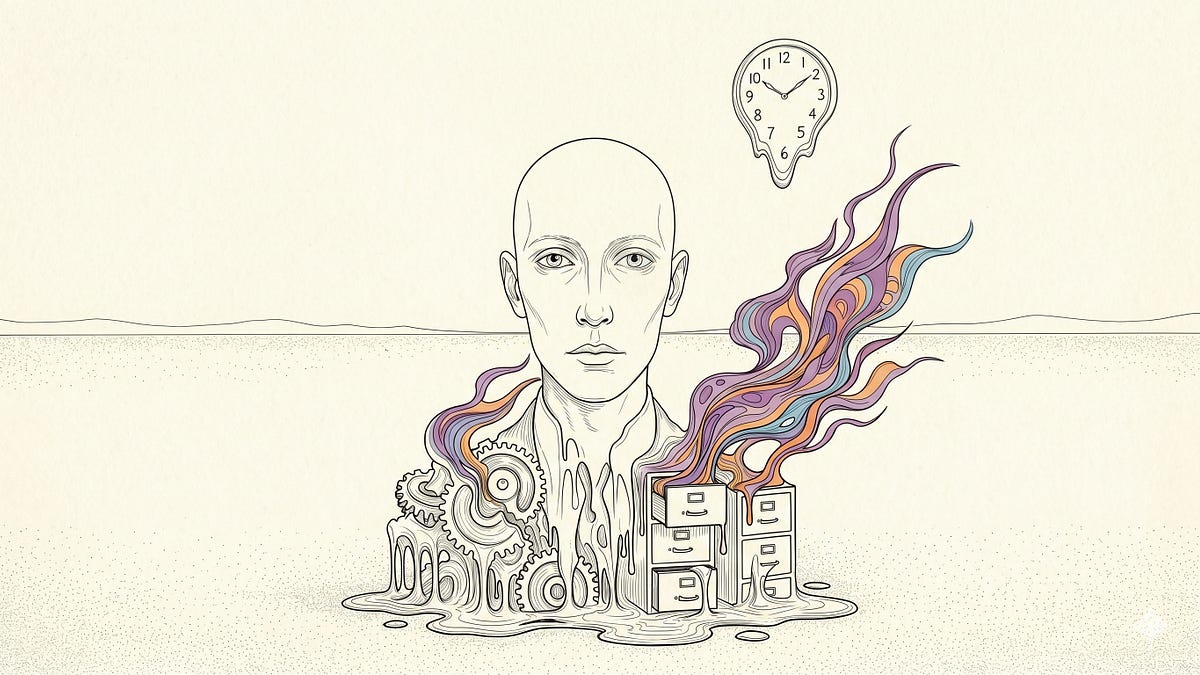
The conversation around AI and employment is heating up. While fears of job displacement persist, the reality is more nuanced. AI could redefine how we work, not just replace us.
The debate over AI's impact on jobs is far from settled. Some see it as a looming threat to employment, while others argue it's an opportunity to evolve our work practices. As AI technology advances, it's clear that the nature of work is changing, but is it for better or worse?
The Job Displacement Dilemma
There's no denying that AI can automate tasks previously performed by humans. A McKinsey report suggests that by 2030, up to 30% of the global workforce could be displaced by automation. Yet, this isn't a straightforward apocalypse scenario. The reality is AI will likely automate repetitive, mundane tasks, freeing up human workers for more complex, creative roles.
But here's the crux: not all industries will feel the impact equally. Manufacturing and retail are already seeing significant shifts, while sectors like healthcare and education might adapt more slowly. The intersection is real. Ninety percent of the projects aren't, but the ones that succeed will redefine these industries.
Reskilling for the Future
As AI continues to integrate into the workplace, the need for reskilling becomes urgent. The World Economic Forum estimates that by 2025, 50% of all employees will need reskilling. It's a daunting challenge, but also an opportunity. Companies that invest in training their workforce couldn't only retain employees but also gain a competitive edge.
Yet, it's not just about teaching new technical skills. Critical thinking, creativity, and emotional intelligence will become just as valuable. If the AI can hold a wallet, who writes the risk model? Humans will need to excel in areas where AI still lags.
Looking Forward: A Balanced Perspective
So, should we fear AI in the workplace? Not necessarily. The key lies in how we respond to these changes. Policymakers, educational institutions, and businesses must collaborate to create an environment where workers can thrive alongside AI. If done right, AI could enhance our work lives rather than diminish them.
Ultimately, the future of work isn't just about AI. It's about adaptability and foresight. Show me the inference costs. Then we'll talk. The companies that recognize this will lead the charge into a new era of employment. Will your company be among them?
Get AI news in your inbox
Daily digest of what matters in AI.