AI and Creativity: A Brooklyn Summit Challenges the Narrative
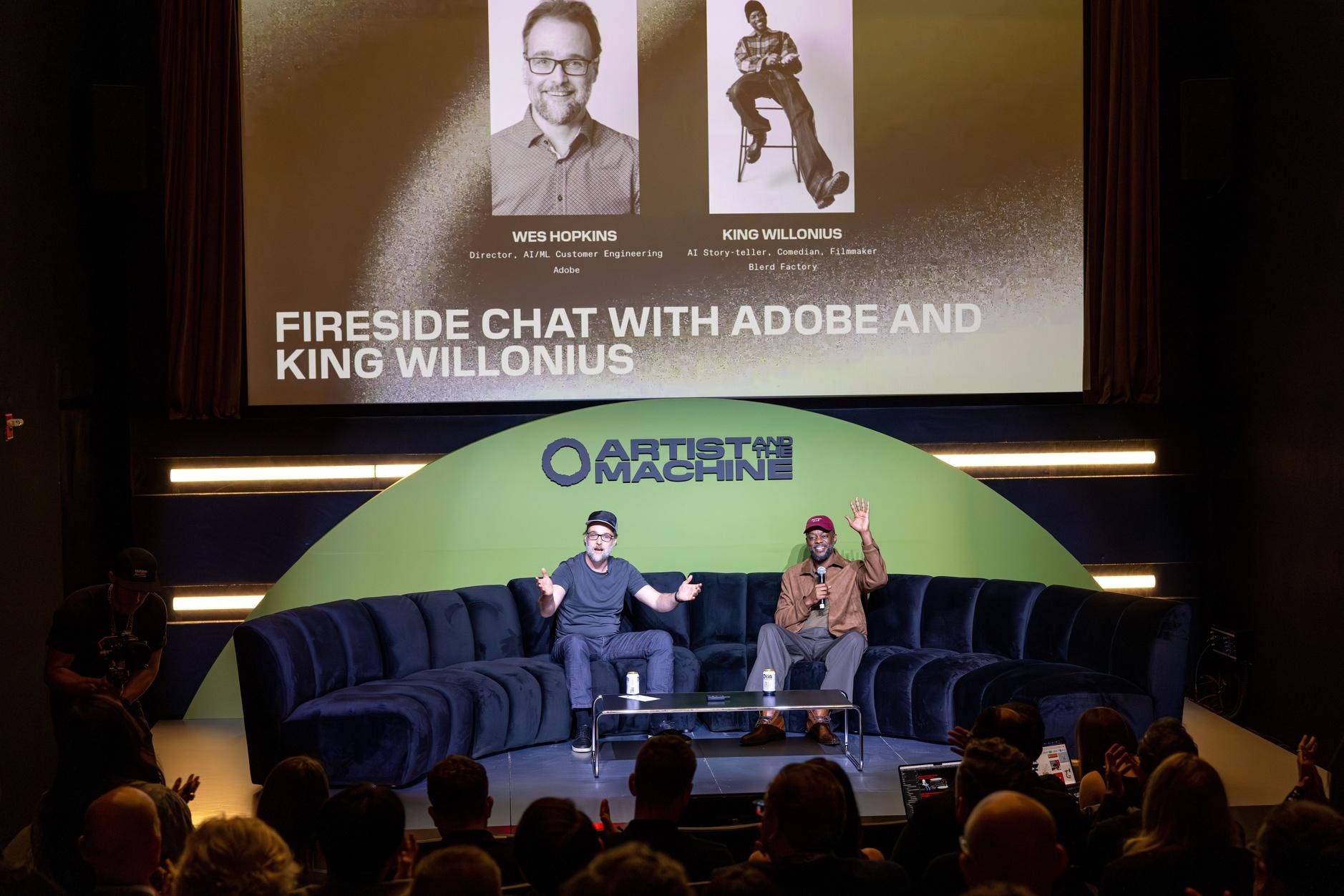
In Brooklyn, a summit delved into the intersection of AI and creative work, exploring how technology reshapes artistic processes. It's not about AI replacing artists, it's about collaboration.
The recent summit in Brooklyn was a stage set for a deeper dive into the ever-evolving relationship between AI and the creative world. Amidst the backdrop of urban innovation, discussions centered not on whether AI will replace human artists, but rather on how this technology can enhance and coexist with creative processes.
AI: A Creative Collaborator
Artificial intelligence isn't merely lurking in the creative sector like an inevitable disruptor. Instead, it's emerging as a vital collaborator. With machine learning models capable of generating novel artworks and compositions, the fear is palpable: Will AI sideline human creativity? Yet, the summit raised an optimistic counterpoint, AI can act as a catalyst for new forms of expression. When artists harness AI tools, they often discover unique perspectives and techniques previously unimaginable.
Consider the recent work of artists who have integrated AI into their practice. Many are finding that these tools allow them to break free from traditional constraints, pushing the boundaries of what art can be. The AI-AI Venn diagram is getting thicker, as technology enhances rather than replaces human creativity.
The Role of AI in Artistic Innovation
What's driving this convergence? The compute layer's evolution is important. Advanced algorithms now process vast amounts of data at unprecedented speeds, offering artists new mediums and methods. But if agents have wallets, who holds the keys? The summit pondered such questions, hinting at a future where artists and AI share credit, ownership, and even royalties.
AI's role in creativity isn't just about making art. it's about redefining the creative process itself. The industry AI models are increasingly adept at mimicking styles, analyzing art forms, and even suggesting new directions. This isn't a partnership announcement. It's a convergence that promises to reshape the art world.
The Impact on Artists
For artists, the implications are significant. Those who embrace AI may find themselves at the forefront of a new artistic movement. However, there's a pressing need to address the ethical and economic concerns. Who profits from AI-generated art? How can we ensure that human artists benefit from the technology rather than suffer from it?
The summit emphasized the necessity for a financial plumbing system that supports both human and machine creators. We're building the financial plumbing for machines, but it mustn't bypass human stakeholders. As technology continues its march, the art world must evolve its settlement systems to accommodate this duality.
Ultimately, the Brooklyn summit wasn't just about AI taking center stage in creative endeavors. It was about redefining the stage itself. As AI technology becomes a staple in creative circles, the focus shifts from fear of obsolescence to excitement for innovation. Is this the dawn of a new Renaissance, where machines and humans co-create? The answer lies in how we choose to script this narrative.
Get AI news in your inbox
Daily digest of what matters in AI.
Key Terms Explained
The science of creating machines that can perform tasks requiring human-like intelligence — reasoning, learning, perception, language understanding, and decision-making.
The processing power needed to train and run AI models.
A branch of AI where systems learn patterns from data instead of following explicitly programmed rules.