AI and Copyright: A Clash of Creativity and Control
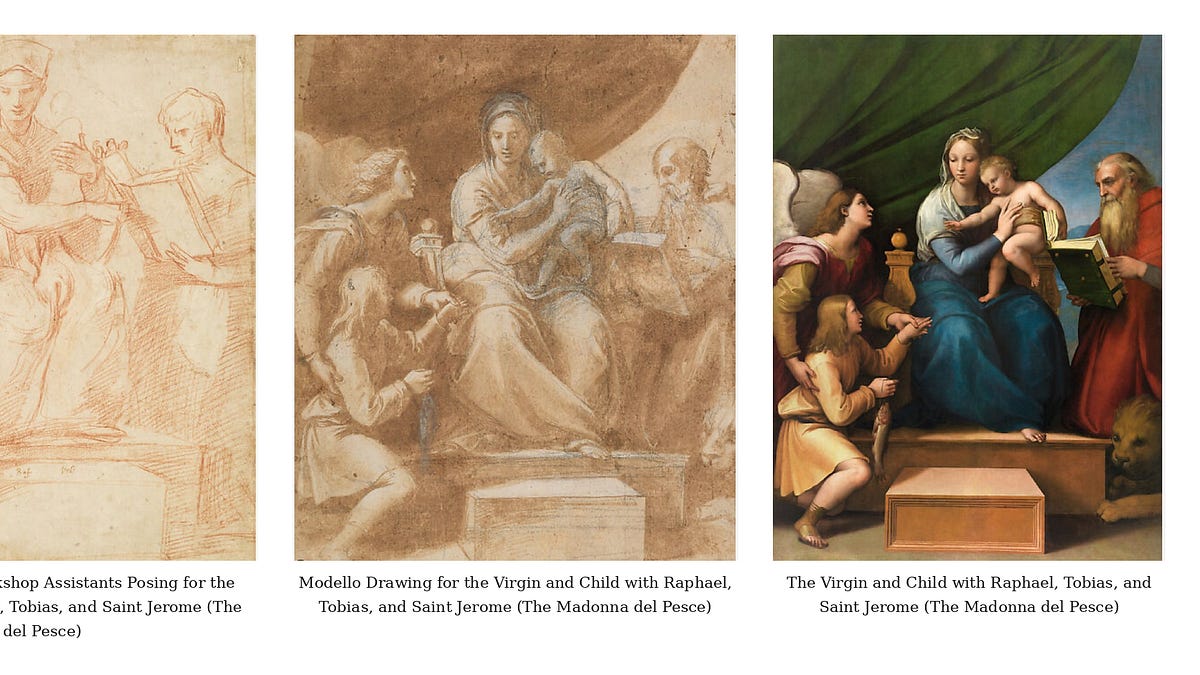
As AI-generated content becomes mainstream, copyright law faces unprecedented challenges. This collision could redefine creative ownership.
Artificial Intelligence isn't just automating tasks. It's now stepping into the creative world, creating art, music, literature, and even code. This development is shaking the very foundations of copyright law. If a machine produces a novel, who owns it?
The Copyright Dilemma
Copyright law traditionally protects human creations. But as AI-generated content proliferates, the question of ownership becomes complex. With AI, it's not just about who pushed the 'generate' button. It's about the model's training data, its creators, and anyone who tinkered with it. Imagine an AI that composes music. Does the copyright belong to the developers of the AI, the users, or the dataset contributors?
In 2023, major legal battles began to surface, challenging the traditional notions of copyright. Some argue that the absence of human authorship disqualifies AI-generated work from copyright protection. Others see a need for new legislation to tackle AI's unique contributions. One thing's clear: the old rules don't fit the new reality.
A New Creative Frontier
AI's infiltration into the creative domain isn't just a legal issue. It's a cultural one. Purists may argue that creativity is inherently human. Yet, AI is proving it can replicate and even innovate beyond human capabilities. If AI-generated art becomes indistinguishable from human-made, what does that say about the value we place on human effort?
For industries that thrive on creative output, like entertainment and publishing, this is both an opportunity and a threat. AI can slash production time and costs, but it also means grappling with new ethical and legal terrains. The intersection is real. Ninety percent of the projects aren't.
What's Next?
This isn't just about art and music. It's about control and compensation. As AI blurs the lines of authorship, traditional revenue streams and business models in creative industries are at risk. If AI can hold a wallet, who writes the risk model?
In the coming years, expect an uptick in legal battles and policy debates. Legislators will need to rethink copyright from the ground up. One thing's for sure: ignoring the issue won't make it disappear. Industries must adapt or face obsolescence.
Get AI news in your inbox
Daily digest of what matters in AI.
Key Terms Explained
The science of creating machines that can perform tasks requiring human-like intelligence — reasoning, learning, perception, language understanding, and decision-making.
The process of teaching an AI model by exposing it to data and adjusting its parameters to minimize errors.