AI and America: Navigating the New Frontier in the Senate
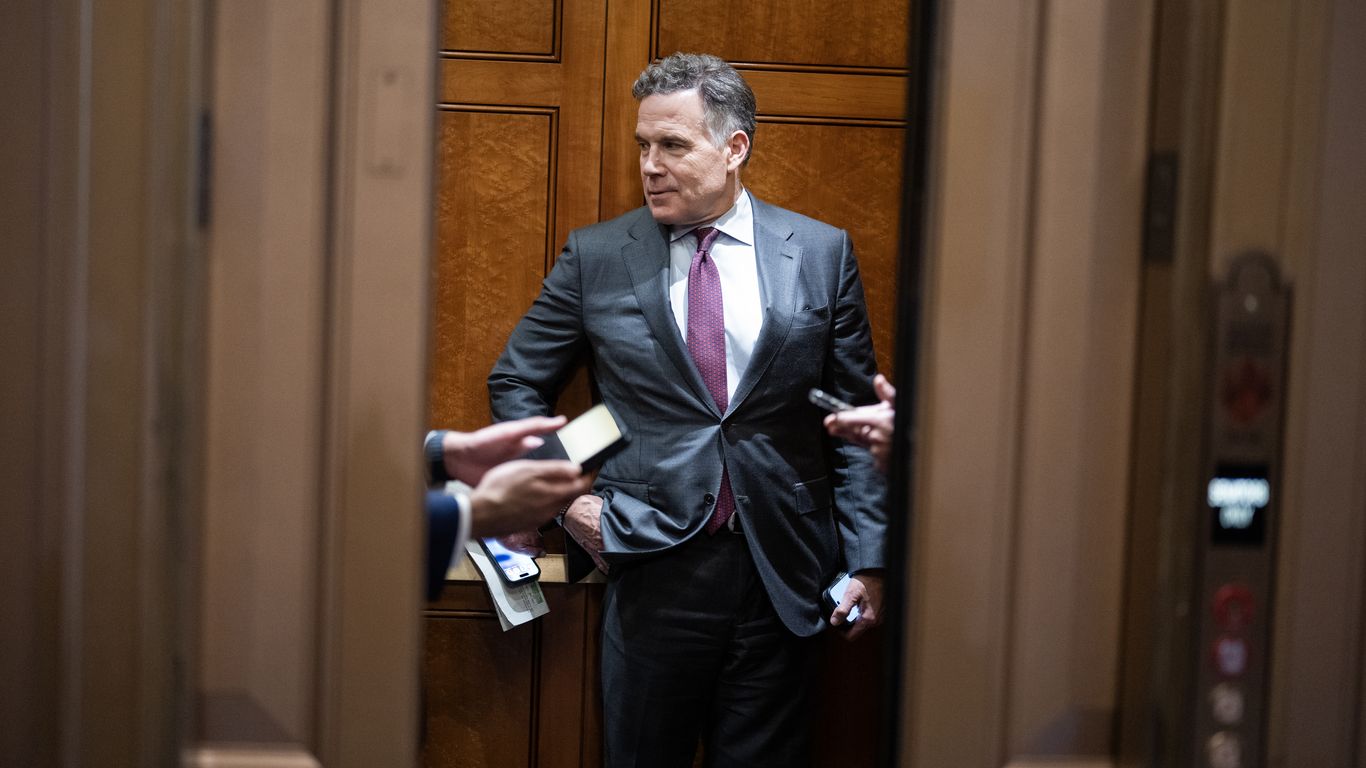
Senator David McCormick warns of the AI revolution's impact on the U.S. economy and its race with China, urging cautious progress.
Senator David McCormick, representing Pennsylvania, has taken a front-row seat in the AI debate on Capitol Hill, describing it as the 'most profound moment of change in our lifetimes.' While he's an advocate for artificial intelligence, he doesn't shy away from acknowledging its potential pitfalls. The AI revolution carries risks that could impact the American economy, environment, and everyday life.
AI in Focus
McCormick, who previously helmed Bridgewater Associates, one of the largest hedge funds, has spotlighted AI as central to America’s future. Last year, he unveiled a staggering $70 billion investment plan aimed at bolstering AI and energy in Pennsylvania. This move underscores America's need to stay ahead in this race, particularly against China. The court's reasoning hinges on maintaining a competitive edge, with McCormick noting that losing the AI race to China could reshape global dynamics significantly.
With the U.S. government still grappling with how to regulate this fast-evolving technology, McCormick and Senator Christopher Coons from Delaware have introduced a bill to promote energy-efficient liquid cooling technology in data centers. This innovation aims to support AI's growth without ballooning utility costs for consumers.
The Economic Ripple Effect
However, despite the financial gains under President Trump, McCormick concedes that a surge in housing, energy, and health care costs is a palpable concern for Americans. So what does this mean for your average consumer? If energy demand is set to triple over the next 15 years, as McCormick predicts, Congress must act to prevent these costs from burdening consumers further.
McCormick cautions that while AI holds enormous promise, it doesn't come without potential downsides. The technology could disrupt industries, leading to job losses and ethical challenges. Yet, he argues it's too premature to impose strict regulations on AI. Instead, the focus should be on fostering innovation while mitigating risks.
AI’s Stakes in Washington
Adding an interesting twist to McCormick's advocacy is his wife's role as president of Meta, a company intrinsically linked to AI policy battles. This connection brings a personal dimension to McCormick's legislative efforts, raising questions about potential conflicts of interest.
But the legal question is narrower than the headlines suggest. At the heart of the matter is whether the U.S. can lead the AI innovation race. Can America afford to let China take the helm? The answer, according to McCormick, is a resounding no. As he told Axios, the world could look very different if China dominates AI development.
In an era of rapid technological change, the precedent here's important. McCormick's push for advancement tempered with caution serves as a reminder that the future of AI isn't just about technological leaps but also about strategic foresight.
Get AI news in your inbox
Daily digest of what matters in AI.
Key Terms Explained
The science of creating machines that can perform tasks requiring human-like intelligence — reasoning, learning, perception, language understanding, and decision-making.
The ability of AI models to draw conclusions, solve problems logically, and work through multi-step challenges.