Agentic UX: Design Beyond the Screen
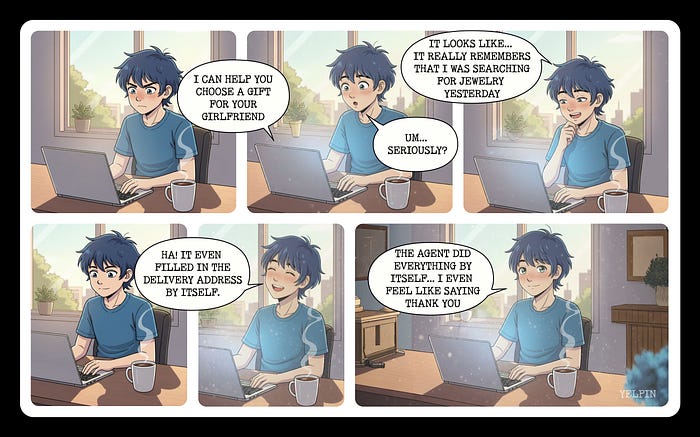
Agentic UX shifts focus from buttons to behaviors. It's about system actions, not just user clicks. This evolution demands new design skills.
The evolution of user interfaces is moving into uncharted territory. Agentic UX (AX) is the future. It's about systems listening, understanding intent, and acting autonomously. Forget buttons and forms, we're talking about dialogue and intention now.
From Buttons to Behaviors
Traditionally, UX design involved crafting the visual journey, placing buttons and arranging forms. Now, the job's broader. Designers are architects of system behavior. AX transforms interaction from a sequence of clicks to an exchange of intentions.
Consider Microsoft's Copilot or Google's Duet AI. They're not waiting for clicks. They're digital performers processing user intent to create documents or presentations. The shift is clear: users express needs, systems fulfill them.
The New Role of Designers
Designers are no longer just managing screens. They're scripting system responses, controlling the agent's initiative. How should an agent behave when a user errors? What's the tone when clarifying a request? UX is now about these subtle dynamics.
For instance, when a user says, "Book a table for tomorrow," the agent's job is to ask relevant questions, like time or location, without feeling invasive. It's about keeping conversations natural, ensuring the agent doesn't overstep or seem too intrusive.
Why This Matters
So, why should developers and designers care? Because Agentic UX isn't just a trend, it's a necessity. As systems grow smarter, user expectations rise. People want interactions that feel intuitive, almost human. The days of rigid interfaces are numbered.
The bigger question: Are you ready to adapt? Agentic UX demands new skills and a fresh mindset. It's not just about what users see, but how they feel and interact. If you're stuck in old paradigms, you might just get left behind.
Get AI news in your inbox
Daily digest of what matters in AI.