ABB and NVIDIA Team Up: Is This the Future of Industrial AI?
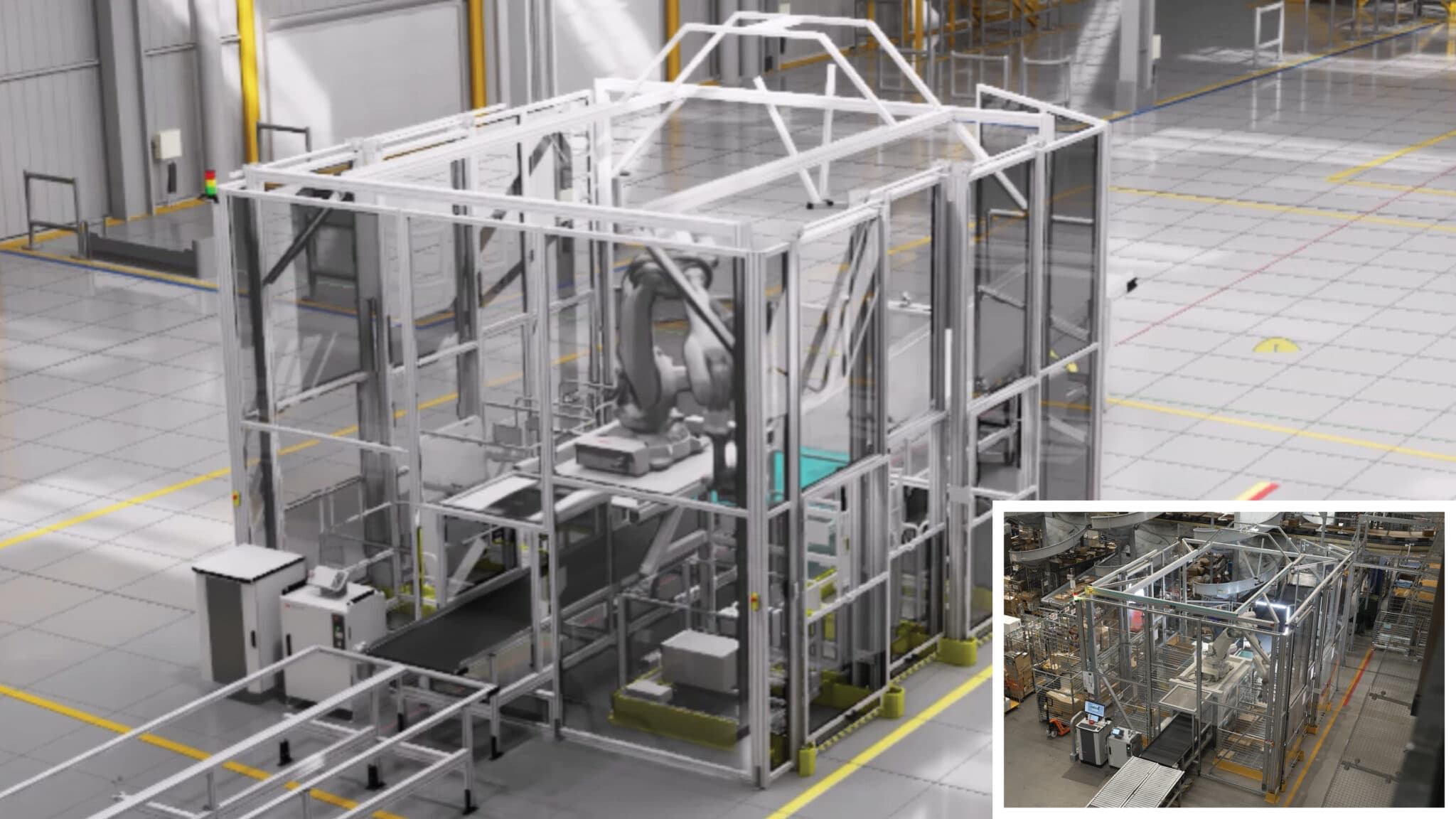
ABB Robotics and NVIDIA are shaking up the factory floor by bringing AI-powered precision to industrial robotics. With a new tool set to launch in 2026, the collaboration promises to slash costs and speed up deployment. But is it all hype or a genuine breakthrough?
ABB Robotics and NVIDIA are diving headfirst into a partnership that's shaking up the industrial world. They're not just adding bells and whistles to robots. They're integrating NVIDIA's Omniverse libraries straight into ABB's RobotStudio. The result? A tool called RobotStudio HyperReality, and it’s about to cut engineering time and costs dramatically.
Real Talk: What's New?
So, what's the big deal? This isn't just virtual models. It's simulation with a 99% correlation to reality. That's like having your cake, eating it, then selling it with a 50% faster time to market. Imagine deploying robots without the usual hiccups and delays. ABB and NVIDIA say they've cracked the 'sim-to-real' gap that held back AI-driven robotics for ages. Their new baby, RobotStudio HyperReality, promises to not just bridge but obliterate this gap.
Now, the real nitty-gritty. This thing is set to launch in the second half of 2026. It’s already turning heads at places like Foxconn, the world’s electronics juggernaut, and Workr, the up-and-coming robotic workforce firm. They're running early pilots, and the buzz is loud. But let’s not pop the champagne until we see the retention numbers.
Closing the Simulation Gap
The industrial sector has long been haunted by the inaccuracies of simulation. You know the drill: lighting off, materials misbehaving, and models that look good on paper but flop in reality. ABB's integration with NVIDIA Omniverse aims to crush these issues. The tool feeds synthetic images into AI training pipelines, teaching vision models to work in the real world. It’s all about physics-rich simulations and synthetic data. Precision isn’t just a buzzword here. ABB claims it can reduce positioning errors from 15 mm to a razor-sharp 0.5 mm.
Deepu Talla from NVIDIA talks a big game. He says this integration accelerates how manufacturers bring complex products to market. But let's be real, will this truly transform industries like consumer electronics? Only if it delivers on its promises of speed and reliability.
Eyes on the Pilots
The excitement extends to real-world pilots. Foxconn is playing with this tech in their high-stakes assembly lines, hoping to shave off setup times and dodge the costs of physical testing. Meanwhile, Workr's gearing up to show AI-powered robotics at NVIDIA's GTC 2026 in San Jose. They claim their systems can onboard new parts in minutes. No programming skills needed.
Sounds revolutionary, right? But here's the kicker: are we looking at another round of vaporware, or does this actually work? Sure, the press release screams 'AI-powered,' but will the product match the promise? It's high time these companies show us the product, not just a well-rehearsed pitch.
Get AI news in your inbox
Daily digest of what matters in AI.