3D-Printed Humanoid Legs: A Leap for AI Robotics, Not for Races
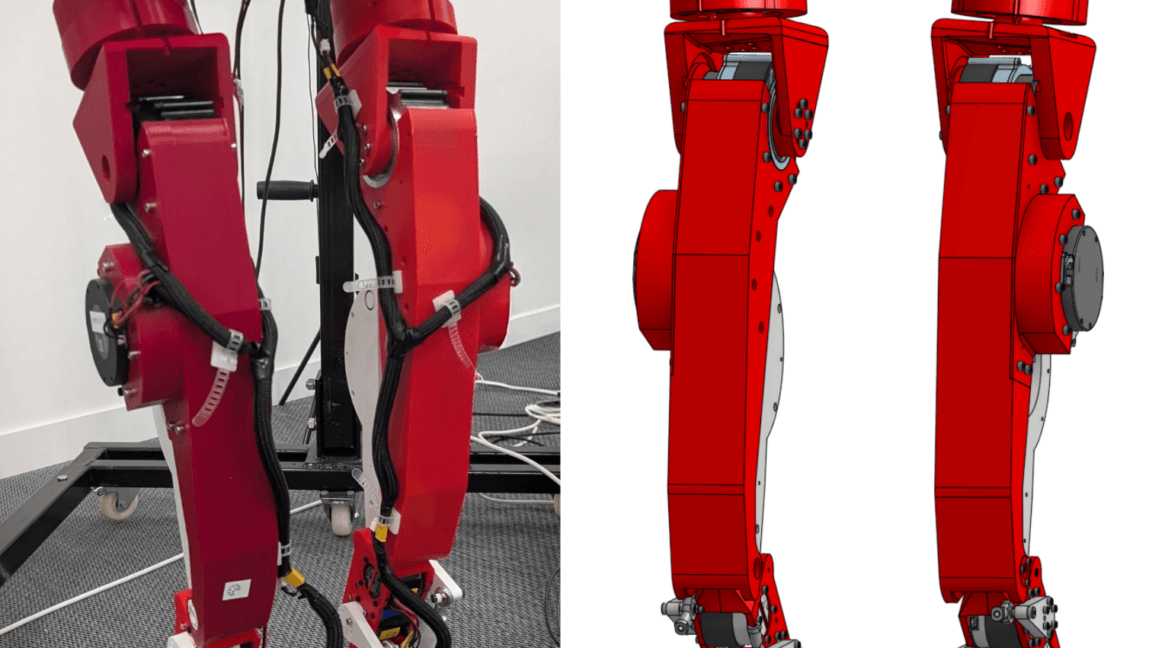
Hugging Face introduces LeRobot Humanoid, a $2,500 DIY robot kit. It's not marathon-ready, but it's a big step for AI research in robotics.
Building latest humanoid robots typically costs a fortune. But what if curiosity and experimentation came with a price tag that doesn't break the bank? Enter LeRobot Humanoid, an affordable project from the brains over at Hugging Face. For $2,500, you can assemble a pair of humanoid robot legs, crafted with 3D-printed parts and commonly available components.
Why Should We Care?
But why should you, or anyone else, care? This isn't about creating a sprinter to take on the Boston Marathon. It's about democratizing access. LeRobot Humanoid offers researchers and enthusiasts a tangible, budget-friendly way to test AI algorithms in a physical form. It's a way to bridge the gap between theory and the messy real-world.
Ask who funded the study. It's likely not the usual big-budget suspects. This project is rooted in accessibility, aiming to put tools in the hands of many rather than a select few. While some are busy building luxury robots to show off in labs, Hugging Face is creating something humble yet potentially transformative.
The Nuts and Bolts
So, what do you get with this kit? A detailed bill of materials, 3D-printable part files, wiring instructions, and assembly guidelines. Plus, crucially, software for both calibrating and controlling the robot. It's a full-stack offering designed to make robotics more approachable.
Virgile Batto, a robotics engineer at Hugging Face, and the team behind it are clear about one thing: LeRobot isn't the most advanced humanoid out there. But that's not the point. If you're looking to build, understand, and even repair a humanoid robot, this tool is a major shift.
A Step Forward in AI Research
This is a story about power, not just performance. The LeRobot Humanoid empowers a wider range of people to participate in AI robotics research. Whose data? Whose labor? Whose benefit? By lowering the barrier to entry, it hints at a future where breakthroughs come from unexpected places, perhaps even your garage.
In the end, the benchmark doesn't capture what matters most. It's not about speed or agility but about opening doors and sparking creativity. Who knows? The next AI leap could start with these modest 3D-printed legs.
Get AI news in your inbox
Daily digest of what matters in AI.