2026: Smartphones at the Crossroads of AI and Economics
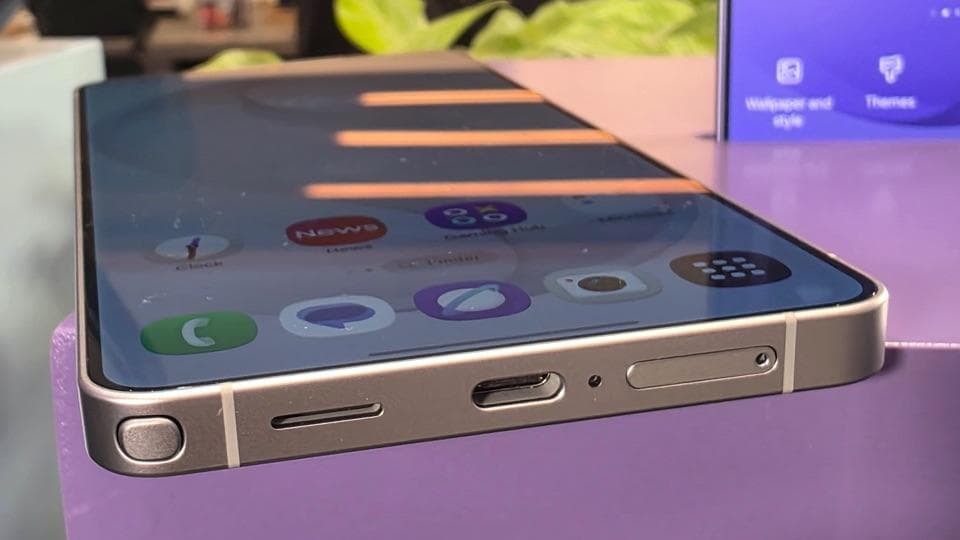
Smartphones in 2026 face challenges from AI fatigue, regulatory pressures, and economic shifts. What's next for this ubiquitous tech?
In 2026, the smartphone industry is undergoing a key transformation. With AI fatigue setting in and prices climbing, one has to wonder: has the smartphone hit a saturation point?
AI Fatigue and Consumer Expectations
AI integration in smartphones once promised a revolution, but by 2026, users are experiencing what some call AI fatigue. The market is saturated with devices boasting nearly identical features, leaving consumers to question the necessity of upgrading their devices annually. If smartphones are merely iterative improvements, what justifies the rising costs?
AI's capability to automate tasks and enhance usability is undeniable. However, the marginal gains in user experience haven't impressed those who expect groundbreaking innovation. The AI-AI Venn diagram is getting thicker, but is it delivering the value users crave?
Economic Challenges
Adding to the industry's woes are the economic headwinds that continue to batter global markets. Rising inflation and a cautious consumer base mean that smartphones, once considered indispensable, are now scrutinized for their price tags. As prices climb, the question becomes: are consumers willing to pay a premium for marginal improvements?
The economic slowdown is compelling companies to rethink their strategies. What was once a race to pack as much tech into a device as possible is shifting towards sustainability and cost-effectiveness. We're building the financial plumbing for machines, but it seems the infrastructure needs a refresh.
Regulatory Pressures
Regulators worldwide are also tightening their grip. Concerns over privacy, data security, and monopolistic practices are forcing companies to adapt to new rules. In 2026, compliance isn't just a checkbox. it's a business imperative. The convergence of policy and technology is reshaping the landscape, sparking innovation in unexpected ways.
But here's a thought: what if regulatory pressure forces companies to innovate in ways they've neglected? The focus on privacy and data security might just be the catalyst for a new era of consumer trust and loyalty.
The smartphone industry stands at a crossroads. As AI capabilities plateau and economic pressures mount, companies must find new avenues for differentiation. Whether through improved privacy measures or innovative financial models, the future of smartphones might just hinge on their ability to adapt to these new realities.
Get AI news in your inbox
Daily digest of what matters in AI.