10 Million Wearables: A Bold Bet on Future Tech Adoption
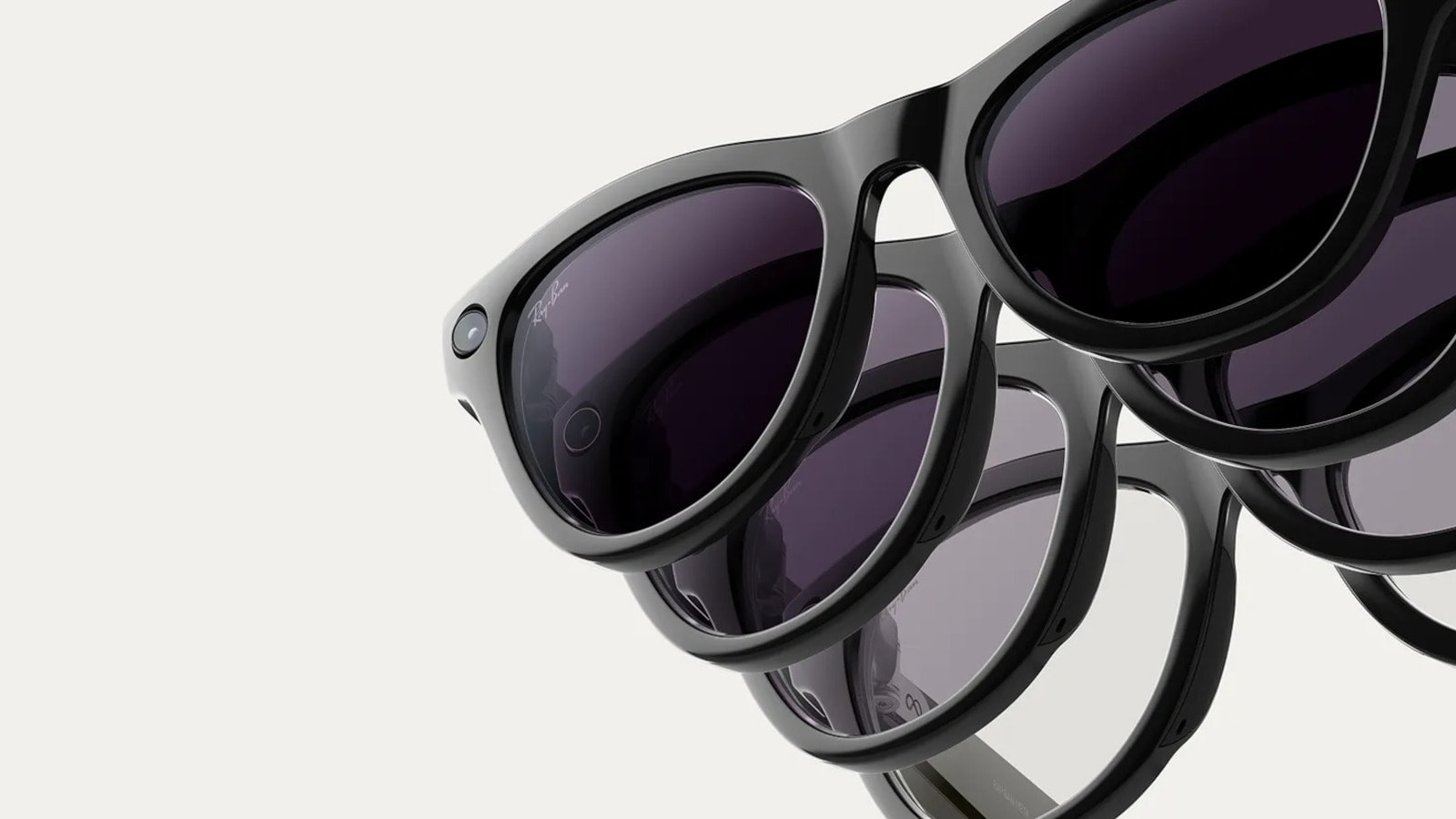
The push to sell 10 million wearables by 2026 raises questions about market readiness and technological integration.
In a daring move that underscores the volatile marriage of AI and wearables, a major company is setting its sights on selling 10 million units in the second half of 2026. This ambitious target highlights a belief in not just technological convergence but also in consumer readiness for the next wave of smart accessories.
Can the Market Absorb 10 Million Units?
Setting a target of 10 million wearables isn't just a number. It's a statement. The wearables market has seen steady growth, but such a leap suggests an underlying confidence, or perhaps a gamble, on the part of the company. Are consumers truly ready to embrace AI-enhanced wearables at this scale?
In an era where tech hype often overshadows practical application, it's worth questioning whether the industry is banking on technology that isn't yet fully integrated into daily life. Slapping a model on a GPU rental isn't a convergence thesis. The real-world utility of AI wearables remains unproven, particularly when market saturation and consumer fatigue lurk around the corner.
Technological Hurdles and Consumer Readiness
For these wearables to succeed, they'll need more than just stylish designs. They'll require solid AI capabilities and easy integration into the existing tech ecosystems of their users. But here's the catch: are current AI models ready to deliver the level of performance users expect, or is this another instance where decentralized compute sounds great until you benchmark the latency?
The convergence of AI and wearables has the potential to revolutionize personal tech. But potential doesn't pay the bills. The industry needs to prove that these devices can offer tangible benefits over existing tech. If the AI can hold a wallet, who writes the risk model?
The Intersection of Technology and Consumer Behavior
As we approach 2026, the intersection of AI and wearables will undoubtedly become more pronounced. However, the success of this endeavor will ultimately depend on convincing consumers that these devices offer something genuinely new and valuable. The intersection is real. Ninety percent of the projects aren't.
By setting such an ambitious target, the company is forcing the industry to confront its assumptions about AI adoption. Will they meet their goal? Show me the inference costs. Then we'll talk.
Get AI news in your inbox
Daily digest of what matters in AI.