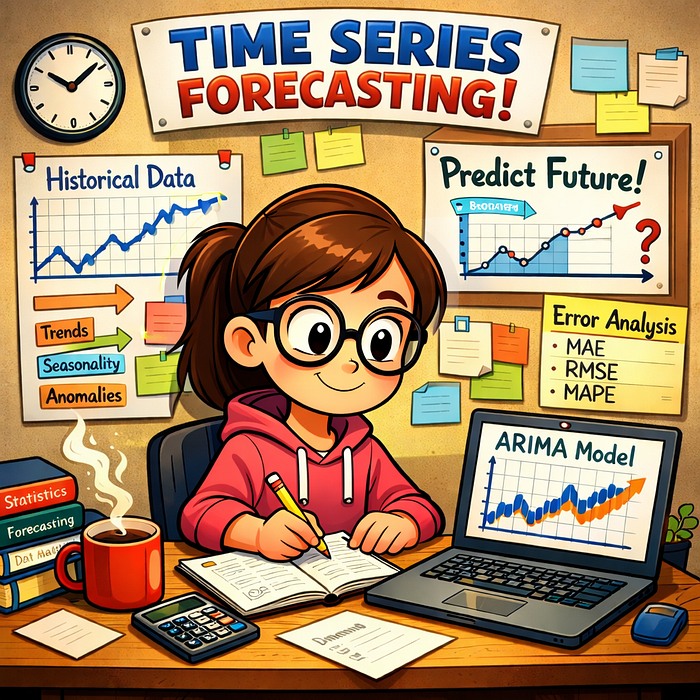
Time-series forecasting is the buzzword on every data scientist's lips these days. With models like ARIMA and exponential smoothing, not to mention modern machine learning techniques, the field promises to deliver everything from accurate stock predictions to optimal energy consumption. But the real question is, are these models truly delivering on their promises or just spinning a web of fancy illusions?
Why Time-Series Matters
Let's cut to the chase. Time-series forecasting is essential in sectors where understanding patterns over time trumps any static analysis. Think financial markets, demand planning, and even weather predictions. It's all about capturing trends, recognizing seasonality, and adjusting for those pesky random fluctuations. But here's the catch, when models fail, they don't just miss by a little. They fall flat on their face, causing companies to lose millions or worse, mislead policymakers.
Models: Magic or Misery?
On paper, ARIMA and its machine learning cousins seem like they can do it all. They analyze past behaviors to predict future outcomes. But how often do they actually work? Plenty of these models assume a stationary time series, which rarely happens in the real world. So, businesses end up spending more time differencing and transforming their data just to meet model assumptions. The reality is, if you're relying on a single model without understanding the nuances of your data, you're asking for trouble.
The Real Deal or Just Another Wrapper?
So what's the deal with time-series forecasting? Is it the future or just another AI wrapper? Show me a company that not only deploys these models but also boasts solid retention numbers. Until then, it's all smoke and mirrors. We don't need more models. We need results. Otherwise, we're just dressing up the same old predictions in new garb.
Sure, time-series forecasting has its place. But don't just take the marketing team's word for it. Dig into the numbers. Because in a world obsessed with AI, the difference between a model that actually works and one that doesn't is the difference between thriving and just surviving.