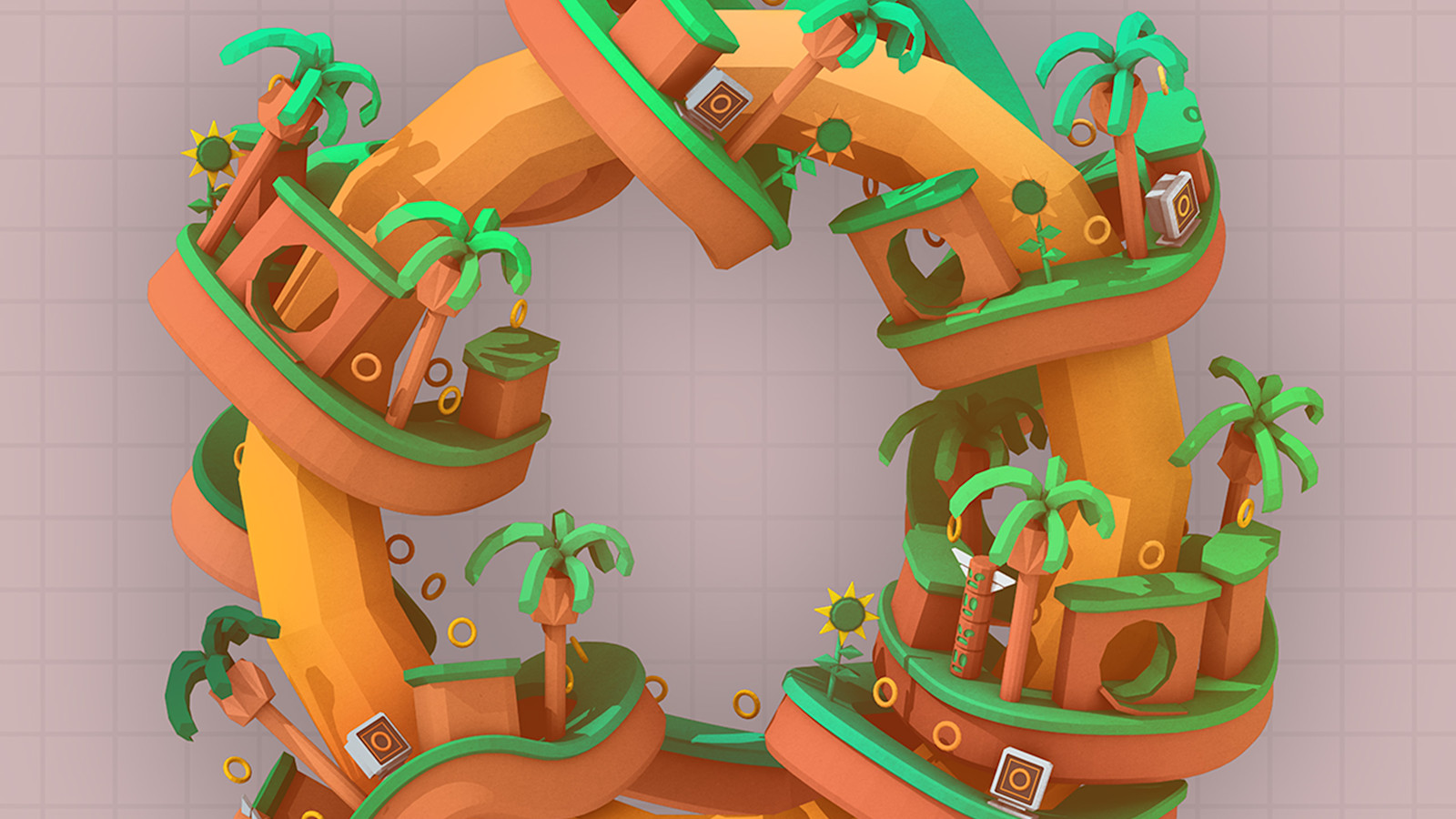
OpenAI is hitting the refresh button on how we think about AI learning with a new contest. They're putting reinforcement learning algorithms to the test, measuring if these smart cookies can actually generalize from past experiences. Forget just playing to win in controlled environments. It's time to see if they can handle the messy, unpredictable real world.
Why This Matters
In the AI universe, reinforcement learning has been the teacher's pet, acing simulated scenarios and performing like a champ where the rules are laid out neatly. But throw them in the deep end of real-world chaos, and they flounder. Naturally, teaching algorithms to adapt like humans do is the real litmus test. Are we setting ourselves up for a future where these algorithms can make decisions in complex scenarios without needing a human babysitter? That's the million-dollar question.
The Contest
Here's the challenge: Can an algorithm take what it learned in one environment and apply it somewhere else entirely? OpenAI's contest is designed to answer this, setting the stage for algorithms to go beyond rote learning. The stakes might not include a Nobel Prize, but the implications could ripple across industries hungry for AI that can think outside the box.
It's high time the tech world's darlings, those algorithms, prove they're more than just one-trick ponies. After all, if they can't adapt, what's the point? The press release said innovation. The 10-K said losses. Which seems like an even stronger argument for AI that can pivot and adapt to new challenges.
The Bigger Picture
Why should you care about an AI contest, you ask? Because it signals a shift. A shift from AI designed to excel in siloed environments to AI that's reliable enough to handle real-world complexity. And let's not mince words: failing to achieve this could mean AI stagnates, stuck in an endless loop of performing tasks it's already mastered. Spare me the roadmap that doesn't lead to innovation.
OpenAI's contest offers a glimpse into what the future could hold if we crack this nut. Imagine AI systems that don't just thrive in the lab but excel in the wild, learning, adapting, and maybe even outsmarting us. Now that's a future worth betting on.