OpenAI is pushing the boundaries of AI innovation by co-organizing two competitions at NeurIPS 2020. In collaboration with AIcrowd, Carnegie Mellon University, and DeepMind, these competitions take advantage of Procgen Benchmark and MineRL to challenge participants in novel ways.
Strategic Collaborations
The collaboration between these AI powerhouses marks a significant step in fostering a more collaborative approach to problem-solving within the community. By joining forces with AIcrowd and academic giants like Carnegie Mellon University, OpenAI positions itself at the intersection of academia and industry expertise. What does this mean for the development of AI technologies? Such collaborations could accelerate progress and encourage sharing of knowledge across different sectors.
Focus on Procgen Benchmark and MineRL
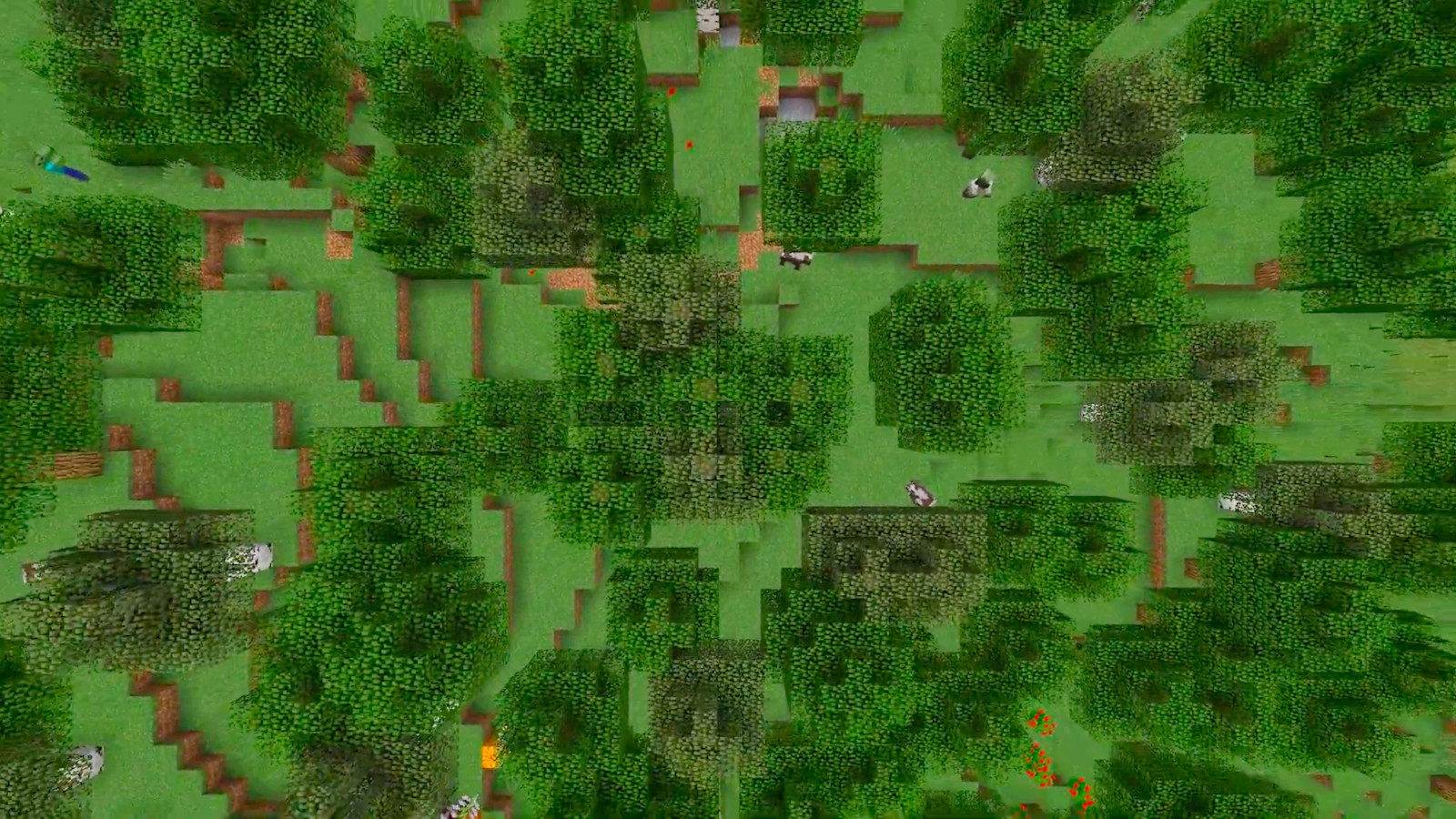
The competitions will place a spotlight on Procgen Benchmark and MineRL, two tools designed to test AI's adaptability and learning in procedurally generated environments. Procgen Benchmark challenges AI to thrive in constantly changing scenarios, pushing the limits of its generalization capabilities. Meanwhile, MineRL focuses on training AI in the popular game Minecraft, emphasizing resource collection and strategic planning.
These benchmarks aren't just about gaming. They represent critical steps in AI's evolution towards understanding complex environments. Are these competitions enough to drive meaningful advancements, or are they merely a showcase of existing capabilities?
Implications for AI Development
While some might argue that these competitions are merely academic exercises, the real value lies in their potential to push AI beyond its current limitations. Developers should note the opportunity to test and refine algorithms in diverse settings. Moreover, the collaborative nature of these events could set a precedent for future partnerships, promoting an open-source mentality in AI development.
This initiative underscores a essential question: Is the future of AI best served through competitive collaboration? The potential for innovation is immense, but whether it leads to groundbreaking advances remains to be seen.