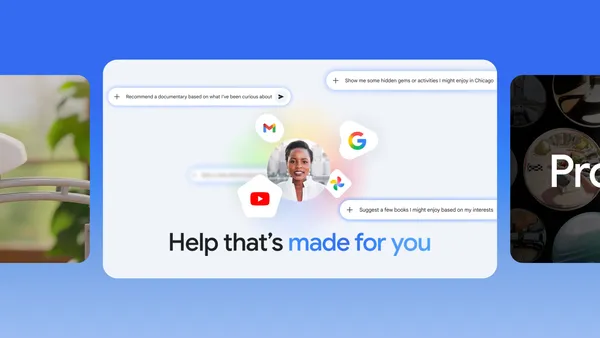
January has been a busy month for Google artificial intelligence, with a slew of updates that are set to ripple across multiple sectors. While Silicon Valley continues to churn out latest innovations, the real question is how these developments will impact users and developers globally.
Key Announcements
Google unveiled a host of new AI tools and technologies this January. Among the highlights, the introduction of advanced language models that promise more nuanced understanding and interaction stands out. These updates aim to enhance everything from chatbot responsiveness to automated translation services. But, as always, the story looks different from Nairobi.
The upgrades also include improvements in machine learning algorithms, designed to support developers with more efficient training processes. For the tech-savvy, this means reduced training times and lower costs, making AI development more accessible.
Why It Matters
In practice, these advancements aren't just about flashy tech. They're about bridging gaps in communication and functionality worldwide. Automation doesn't mean the same thing everywhere, and Google's updates could redefine how smallholders in emerging economies interact with technology.
Consider the potential for natural language processing in local dialects. It's not just a novelty. it's a necessity for businesses and communities looking to expand their reach. The farmer I spoke with put it simply: 'If my tools can talk to me in my language, I can do more.'
What’s Next?
While the announcements are impressive on paper, their real test lies in deployment across diverse environments. Google's track record in AI is strong, but the local context often presents challenges that aren't apparent in controlled settings. Durability and maintenance in field conditions are considerations that can't be overlooked.
So, will these AI tools truly empower users worldwide? Or will they remain in the domain of tech enthusiasts and large corporations? As always, the potential is huge, but the execution will tell the full story.
Automation doesn't mean replacing workers. It's about reach and expanding possibilities. The global community will be watching closely to see how these updates are applied on the ground.