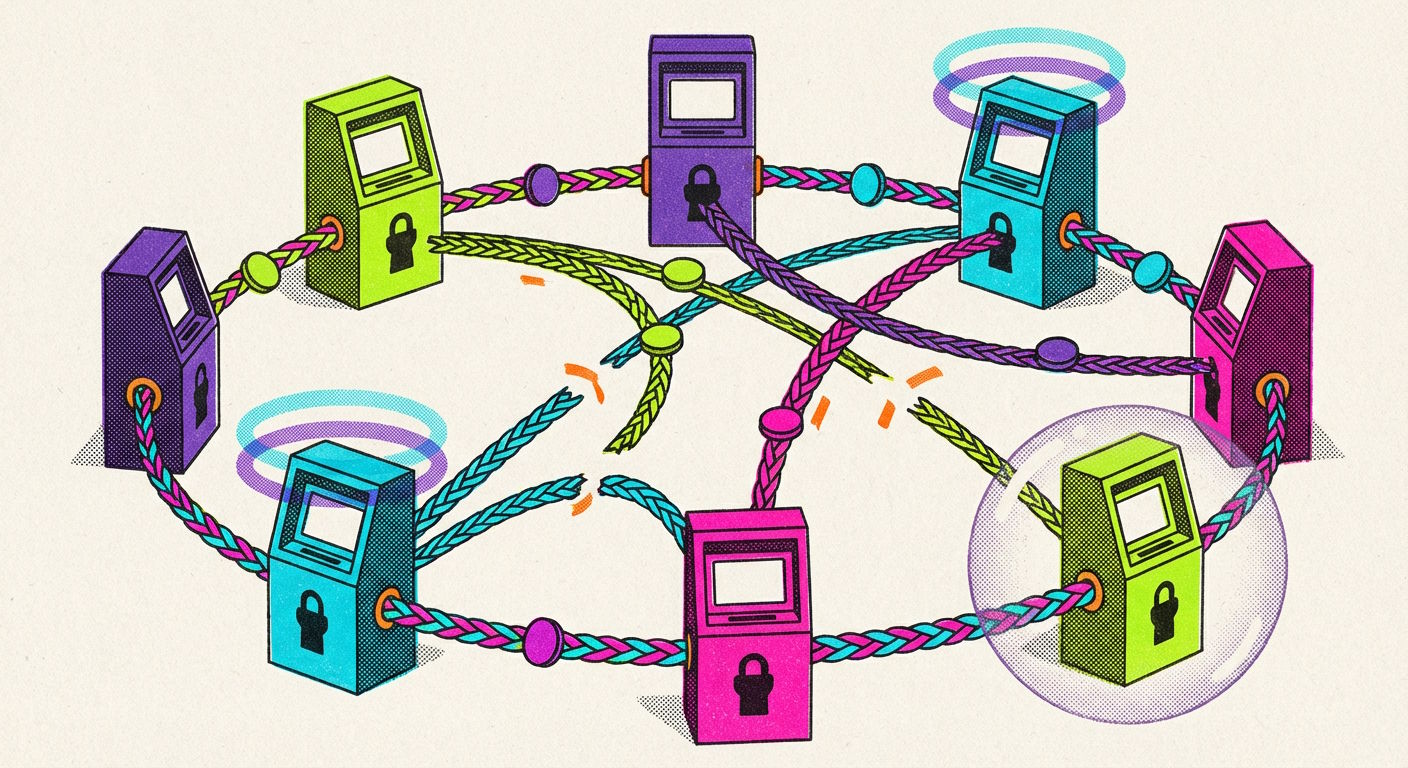
Google DeepMind's latest paper proposes a fascinating, yet potentially controversial, strategy for AI task delegation. The company suggests that AI systems should sometimes assign tasks to humans that they could handle themselves. The reasoning? To prevent humans from losing their skills due to over-reliance on automation.
AI and Human Skills
In a world where AI is increasingly taking over repetitive and complex tasks, the idea of intentionally giving humans so-called 'busywork' may seem counterintuitive. However, DeepMind's stance raises a critical point about the long-term implications of human skill atrophy. If AI systems do everything, what's left for us?
The specification is as follows: AI should delegate not only for efficiency but also for educational purposes. This is a shift from the common narrative that prioritizes speed and output above all. While enhanced productivity is the usual goal, DeepMind highlights the necessity of maintaining a workforce that's competent and prepared for tasks that machines might miss or fail at.
The Balance of Efficiency and Skill Maintenance
This recommendation is a double-edged sword. On one hand, keeping humans engaged in tasks prevents skill degradation. On the other, it might seem inefficient to those who measure success purely by output metrics. Is it worth sacrificing some degree of efficiency for the sake of human capability? This is the question DeepMind seems to pose.
Developers should note the breaking change this introduces to the conventional wisdom of AI deployment. The challenge is now to design AI systems that not only perform tasks optimally but also strategically choose when to involve humans. This necessity to balance AI's potential with human skill retention could redefine roles in AI-human collaboration.
A Future of Collaborative Intelligence
Backward compatibility is maintained except where noted below. This strategy suggests a future where humans and AI co-evolve, maintaining a dynamic where both entities learn from and adapt to each other. it's a vision that departs from a purely automated future to one that values human input as a safeguard against complete technological dependency.
In the end, the debate isn't just about what AI can do. it's about what it should do to keep humanity's toolkit sharp. The specification is clear: AI should serve not just as a tool, but as a partner in maintaining the workforce's proficiency. The implications for industries reliant on automated processes are significant, demanding a reevaluation of how AI systems are integrated and what their role should be in a human-centered workplace.