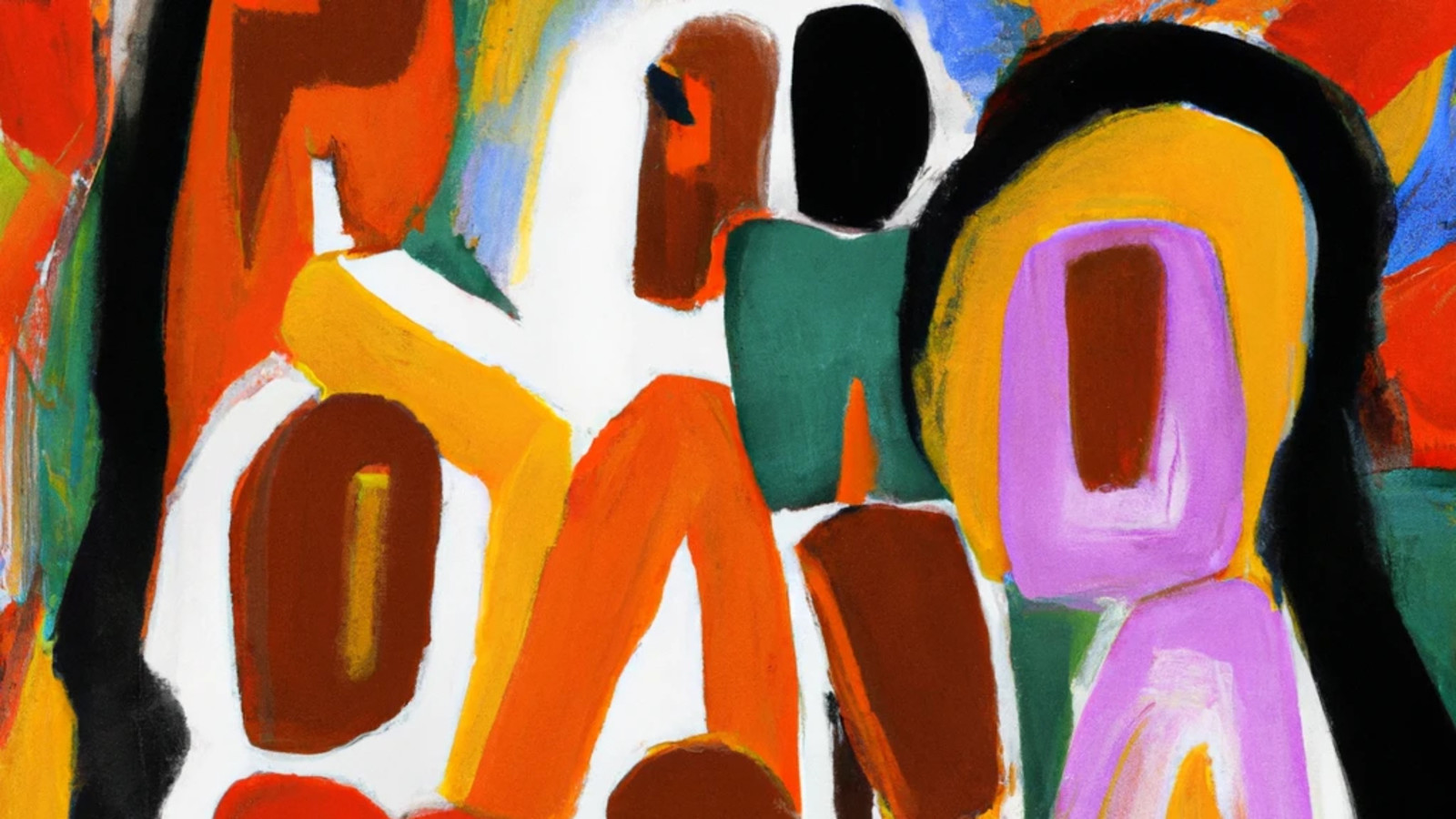
OpenAI's DALL·E, the AI model famous for its ability to generate images from textual descriptions, is undergoing a significant update. The goal? To more accurately represent the world's diverse population in the images it creates. Given the increasing reliance on AI in visual content generation, this move isn't just timely, but important. But let's apply some rigor here. What does this truly achieve, and why should we care?
Understanding Representation in AI
The tech world has long grappled with the issue of bias in AI models. It's an open secret that many models, trained predominantly on datasets that lack diversity, often fail to represent the world's true spectrum. DALL·E's update is an attempt to address this imbalance. By incorporating a new technique aimed at enhancing diversity, OpenAI is acknowledging a critical shortcoming.
However, while the intention is commendable, the outcome remains to be seen. Will this development truly lead to a richer, more inclusive set of images? Or are we looking at yet another solution that looks good on paper but falters in execution?
The Bigger Picture
Color me skeptical, but the claim doesn't survive scrutiny until we see the results. The challenge lies not just in implementing diversity but also in maintaining it across a many of scenarios and prompts. What they're not telling you is that representation isn't a one-off fix. it's an ongoing commitment.
Why does this matter? In an age where AI-generated content is rapidly becoming the norm, the images these models produce influence perceptions. They shape narratives and, by extension, the society we envision. This isn't just about aesthetics. it's about the stories we tell and the realities we construct.
Holding AI to a Higher Standard
I've seen this pattern before. A tech giant announces an update, touting it as a major shift, only for it to fall short upon deeper scrutiny. While OpenAI's efforts are a step in the right direction, they must be matched with transparency and rigorous evaluation. Only then can DALL·E's promised diversity become a tangible, impactful reality.
Ultimately, the question isn't whether AI can generate diverse images. The real question is: Will the industry embrace this as a standard, or will it remain a mere marketing highlight? The stakes are high, and the world will be watching.