Wing and Walmart Soar Ahead with Drone Delivery Expansion
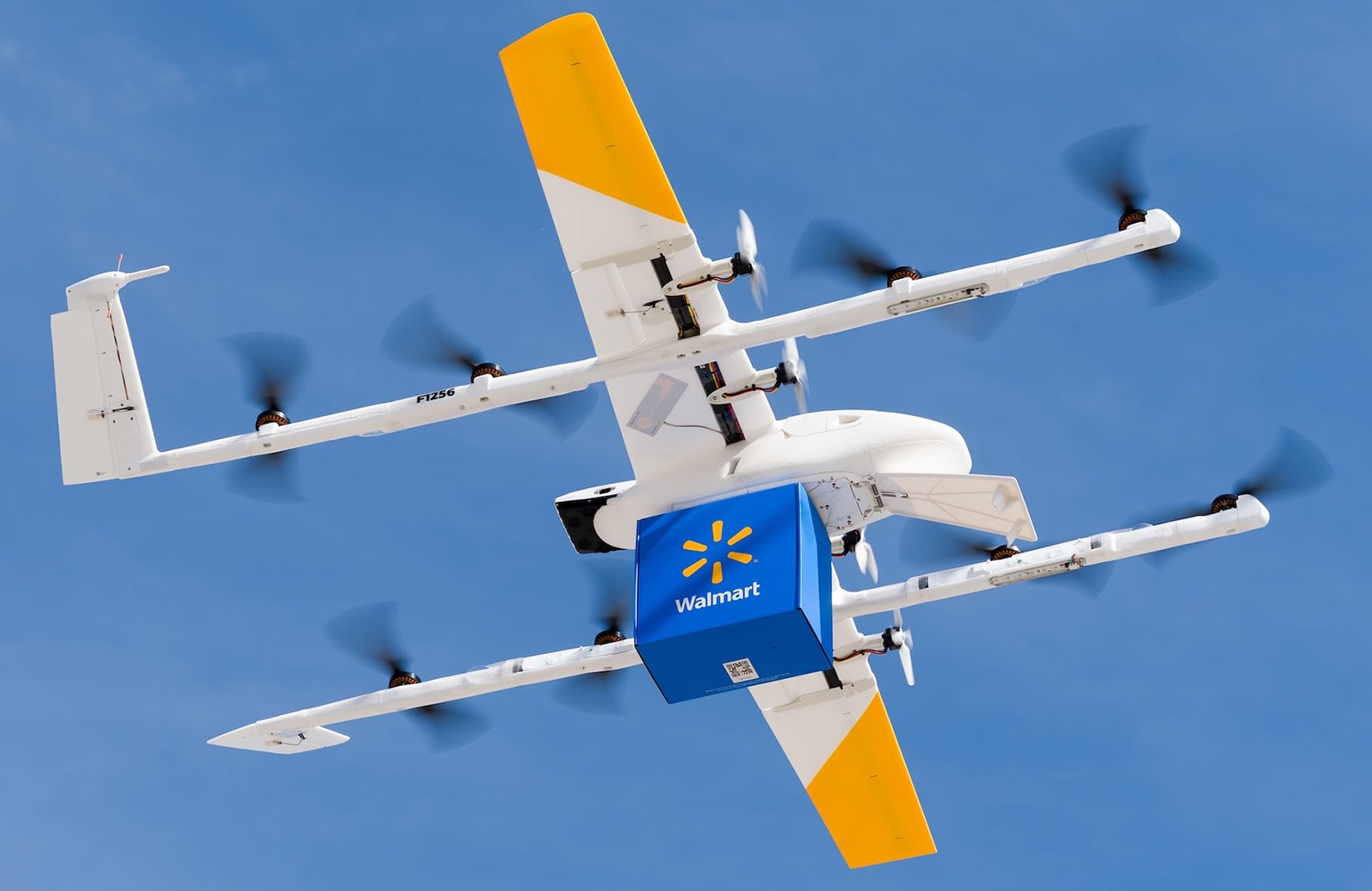
Wing and Walmart are expanding their drone delivery partnership to seven new U.S. cities. The move reflects growing consumer demand for ultra-fast delivery, promising a reach of over 40 million Americans by 2027.
In a bold stride towards revolutionizing retail logistics, Wing Aviation LLC and Walmart have announced the expansion of their drone delivery service to seven new metropolitan areas. By 2027, they aim to cover over 40 million Americans, adding cities like Memphis, New Orleans, and San Francisco to their roster.
From Novelty to Necessity
Once seen as a futuristic novelty, drone delivery is rapidly becoming a staple for consumers who crave speed and convenience. Walmart's collaboration with Wing has already completed more than a million deliveries. This isn't just about keeping up with consumer demand, it's about setting a new standard. Heather Rivera, Wing’s chief business officer, highlighted how communities are increasingly relying on drones for weekly essentials.
As these drones zip through the skies at speeds of up to 60 mph, they deliver packages directly to yards in as little as 30 minutes. It's a service tailored to the needs of the modern shopper, a demographic for whom time is often the most precious commodity.
Why This Matters
In a landscape where speed often trumps all, the expansion couldn't have come at a better time. But is this the future of retail logistics? The answer seems to be a resounding yes. With Wing's system designed to cater not only to single-family homes but also apartment buildings and commercial zones, the potential for growth is massive.
Greg Cathey of Walmart U.S. emphasized the transformative nature of this service, which leverages Walmart's vast store network. The implication is clear: traditional retail must evolve or risk obsolescence. The agent network of drones could soon become the backbone of rapid delivery, a concept that might be foreign to some yet indispensable to others.
Community and Challenges
Before launching in any new city, Wing and Walmart plan to engage with local communities. It's a strategy that reflects a careful consideration of the social fabric of each area, ensuring that new technologies integrate smoothly into daily life.
But what about the challenges? Regulatory hurdles, air traffic management, and public perception are all issues that need addressing. However, as Nigeria's AI adoption shows, technology often finds a way, even if it means navigating through regulatory mazes.
As for Walmart, their partnership with multiple drone providers, including Zipline, indicates a commitment to exploring all avenues. This flexibility could be key to maintaining their retail edge in the rapidly changing landscape.
Get AI news in your inbox
Daily digest of what matters in AI.