TSMC's Role in the AI Chip Geopolitics: A Deep Dive
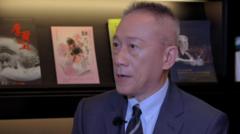
TSMC's senior executive sheds light on the AI chip boom and its geopolitical implications. Are rising electronics prices on the horizon?
In an industry where silence often speaks louder than words, a rare interview with a senior executive at Taiwan Semiconductor Manufacturing Company (TSMC) offers valuable insights into the AI chip frenzy and its geopolitical ripple effects. As the world's largest contract chipmaker, TSMC sits at a critical intersection of technology and politics.
The AI Boom: A Double-Edged Sword
The AI revolution has fueled unprecedented demand for high-performance chips. TSMC, at the core of this surge, has been scrambling to meet this demand. But here's the kicker: the more we lean into AI, the more our reliance on TSMC grows. With the AI boom expected to continue, are we heading towards a bottleneck where supply simply can't keep pace with demand?
TSMC's executive didn't mince words about the challenges. "We're seeing a significant increase in the complexity of chip designs," he noted. This complexity translates into longer production times and inevitably, higher costs. It's a simple equation: more AI means more chips, which means more money spent on electronics. If you think your gadgets cost a pretty penny now, just wait.
Geopolitical Tensions: TSMC in the Crosshairs
It's impossible to ignore the geopolitical stage where TSMC plays a starring role. The company is caught between the United States and China in an ongoing chip war. As countries scramble to secure their chip supplies, TSMC finds itself in a precarious position, trying to appease both powerhouses while expanding its global footprint.
"Our strategy has always been to remain neutral," the executive insisted. Neutrality, however, isn't always realistic in a world where chip supply chains are becoming weapons of economic influence. If TSMC becomes a pawn in this geopolitical chess game, what does that mean for global tech stability?
The Price of Progress
As the AI boom continues and geopolitical tensions mount, the inevitable question looms: will electronics become a luxury? If TSMC struggles to meet demand and navigate political pressures, could consumers bear the brunt of rising costs?
The AI revolution's pace shows no signs of slowing. Yet we're tethered to a chip supply chain under immense strain. Slapping a model on a GPU rental isn't a convergence thesis. TSMC's strategic moves will shape the tech landscape and influence how much we pay for it. If the AI can hold a wallet, who writes the risk model?
Get AI news in your inbox
Daily digest of what matters in AI.