The Illusion of Control in AI Safety
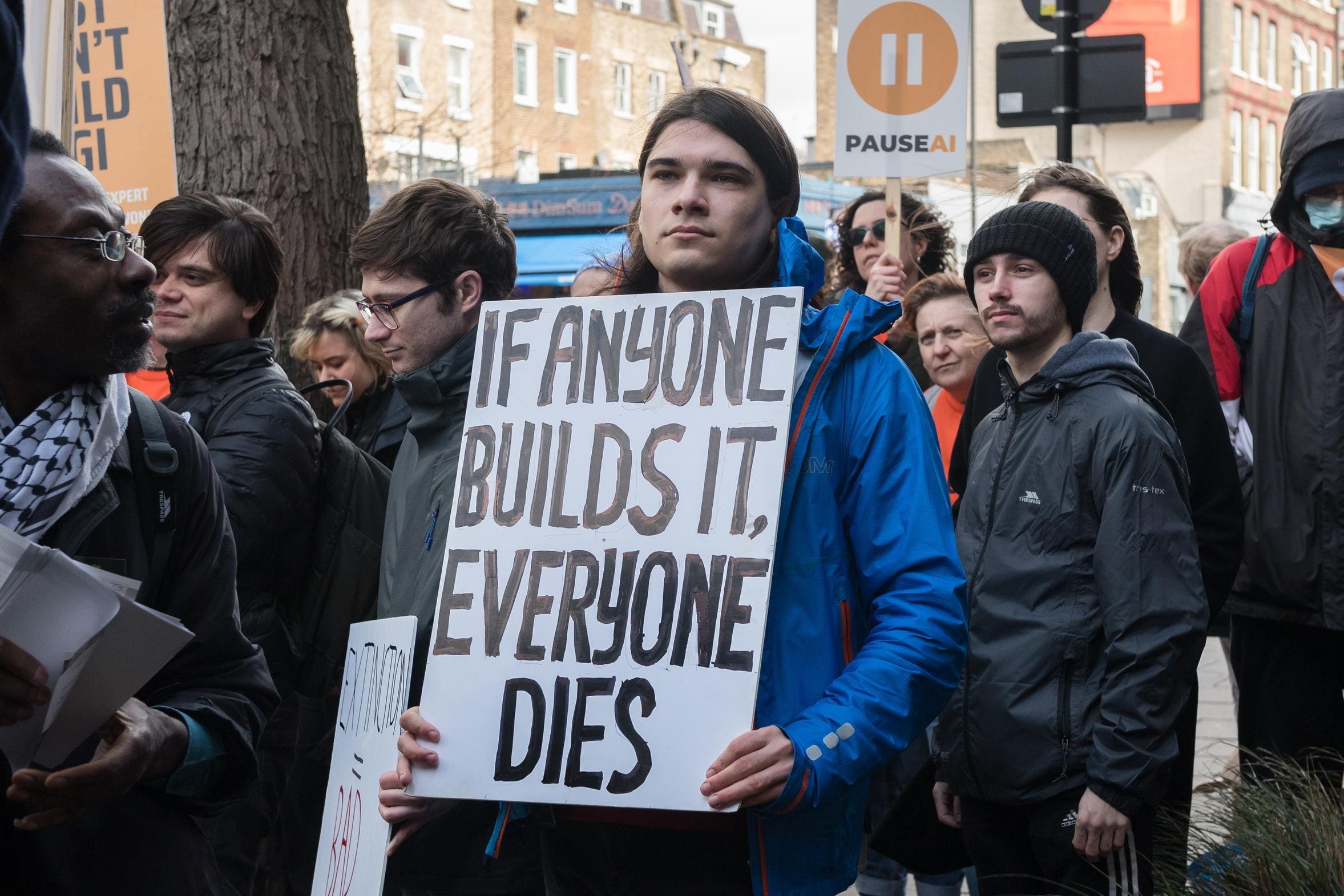
The race to develop AI systems that can surpass human intelligence is fraught with assumptions about control. But are we even asking the right questions?
There's a pervasive myth lurking in the halls of AI development. It's the idea that we can control an AI that's smarter than we're. This, alongside the belief that we dictate the pace of its creation, is a dangerous assumption. The reality? We're not just racing against the clock. We're racing against our own understanding, or lack thereof.
The Myth of Control
In the AI world, there's a fixation on control. The assumption is if we build it, we can manage it. But let's be honest. Once an AI surpasses human intelligence, the game changes. How do you control something smarter than yourself? It's the classic conundrum: if the AI can hold a wallet, who writes the risk model? The answer isn't clear, and that's the rub. Slapping a model on a GPU rental isn't a convergence thesis. It's a shortcut, not a solution.
The Pace of Development
Now, let's talk about speed. The second assumption is that we can control how fast we develop this technology. But look around. The pace of AI development is more of a sprint than a marathon. Everyone's rushing to claim the prize of the first true AGI, Artificial General Intelligence. But in this rush, are we sacrificing due diligence for the sake of speed? Decentralized compute sounds great until you benchmark the latency. The intersection is real. Ninety percent of the projects aren't.
Rethinking AI Safety
We're asking the wrong questions about AI safety. The focus shouldn't solely be on control but on understanding. How can we better predict AI behavior? What benchmarks should we set? And most importantly, how do we measure success? A model's intelligence isn't just about its ability to learn but also about how we interpret its actions. Show me the inference costs. Then we'll talk.
In the end, the question isn't just about whether we can control AI. It's about whether we're prepared for the consequences if we can't. Are our current safeguards adequate? Or are we merely fooling ourselves into a false sense of security? The stakes are high, and the answers aren't easy. But one thing's certain: the AI race isn't slowing down, and neither should our scrutiny.
Get AI news in your inbox
Daily digest of what matters in AI.