AI Scams Evolve: Why Your Cybersecurity Game Needs a Boost
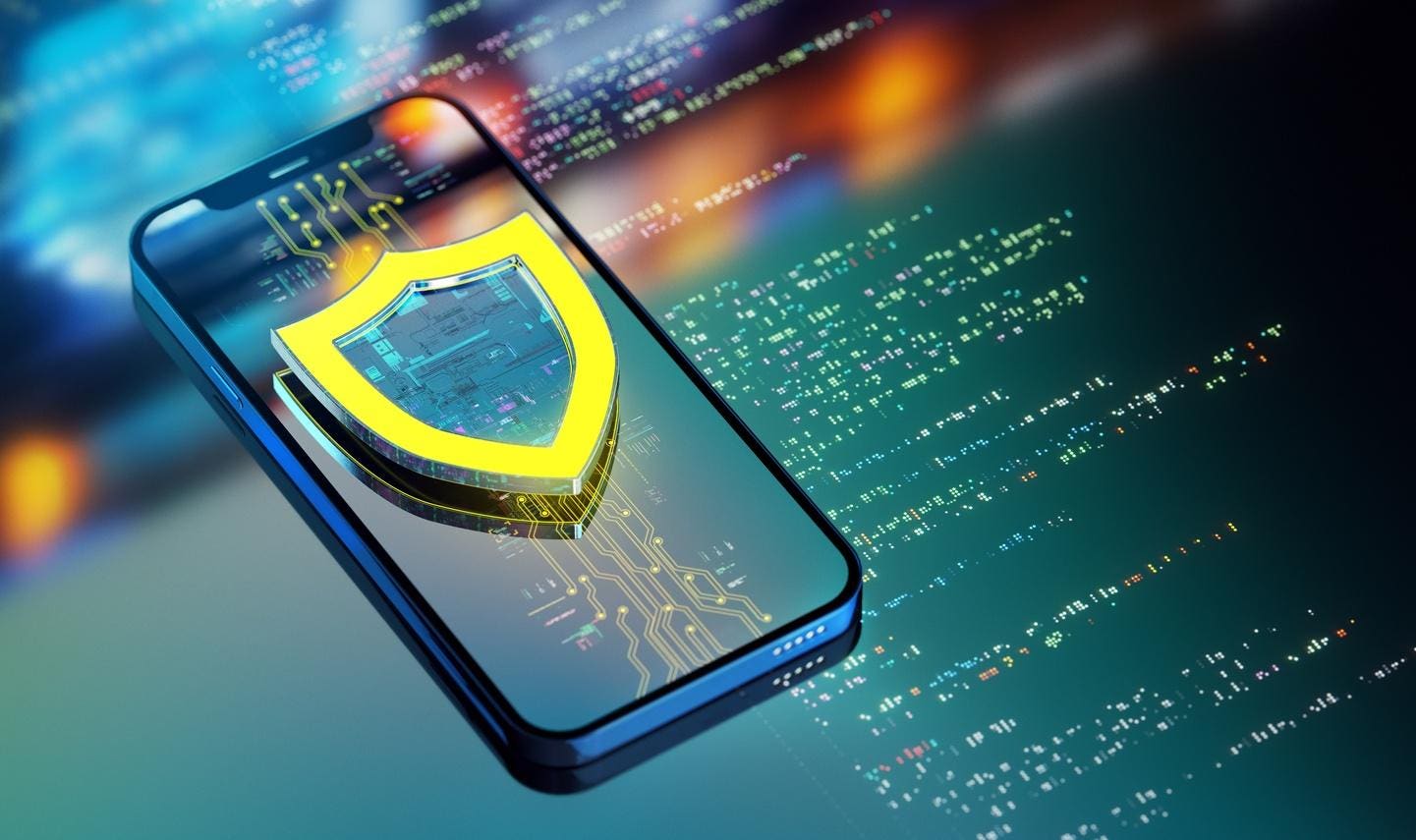
AI-driven scams are becoming more sophisticated, leaving individuals vulnerable. Amidst these threats, innovative tech is stepping up. But is it enough?
I've seen enough of the smoke and mirrors that tech companies parade around as innovation. AI-driven scams are now evolving at a pace that would make a cheetah envious. Naturally, the cyber underworld isn't sleeping on this one. It's a chaotic playground where criminals weaponize AI, leaving the rest of us scrambling to catch up.
Unmasking the Threat
Let's break this down. Scams are no longer your run-of-the-mill phishing emails littered with typos. They're slick, convincing, and, dare I say, almost artful in their deceit. Machine learning algorithms help cybercriminals craft targeted attacks, exploiting vulnerabilities with laser precision. Spare me the roadmap, the threat is here and now.
Statistics paint a grim picture. According to cybersecurity experts, AI-powered scams have increased by over 30% in the past year alone. That's hundreds of thousands of scams infiltrating inboxes, social media, and even trusted apps. It's a digital Pandora's box, and it's wide open.
The Tech Counterattack
So how do we fight back? Enter the tech saviors. Companies are racing to develop AI tools for protection, outsmarting the very algorithms that threaten us. These tools promise real-time threat detection, adaptive security protocols, and user-friendly interfaces. The press release said innovation. The 10-K said losses. But do these tools genuinely deliver, or are they just another layer of complexity for users to navigate?
With startups and tech giants alike investing billions in cybersecurity, one wonders if we're merely playing a never-ending game of cat and mouse. For every security advancement, there's an AI-driven countermeasure waiting in the wings. Is it the dawn of a new cybersecurity era, or just smoke and mirrors distracting from the inherent vulnerabilities of our digital lives?
The Human Element
Here's where it gets personal. Despite tech's best efforts, human error remains a significant factor. Training individuals to recognize threats is as important as the technology itself. But let's be real, expecting everyone to become cybersecurity experts is as absurd as asking a fish to climb a tree.
While AI-driven tools are essential, they won't replace common sense and a skeptical eye. A healthy dose of paranoia might just be the best defense. After all, the stakes are high. As we hurtle towards a future intertwined with AI, the question isn't if you'll be targeted by a scam, but when. Are you ready?
Get AI news in your inbox
Daily digest of what matters in AI.